Product and Artwork Review
Review the selected textile product, logo artwork, required quantity, intended placement and delivery requirements.
Custom Promotional Gifts • OEM/ODM Manufacturing • Worldwide Delivery
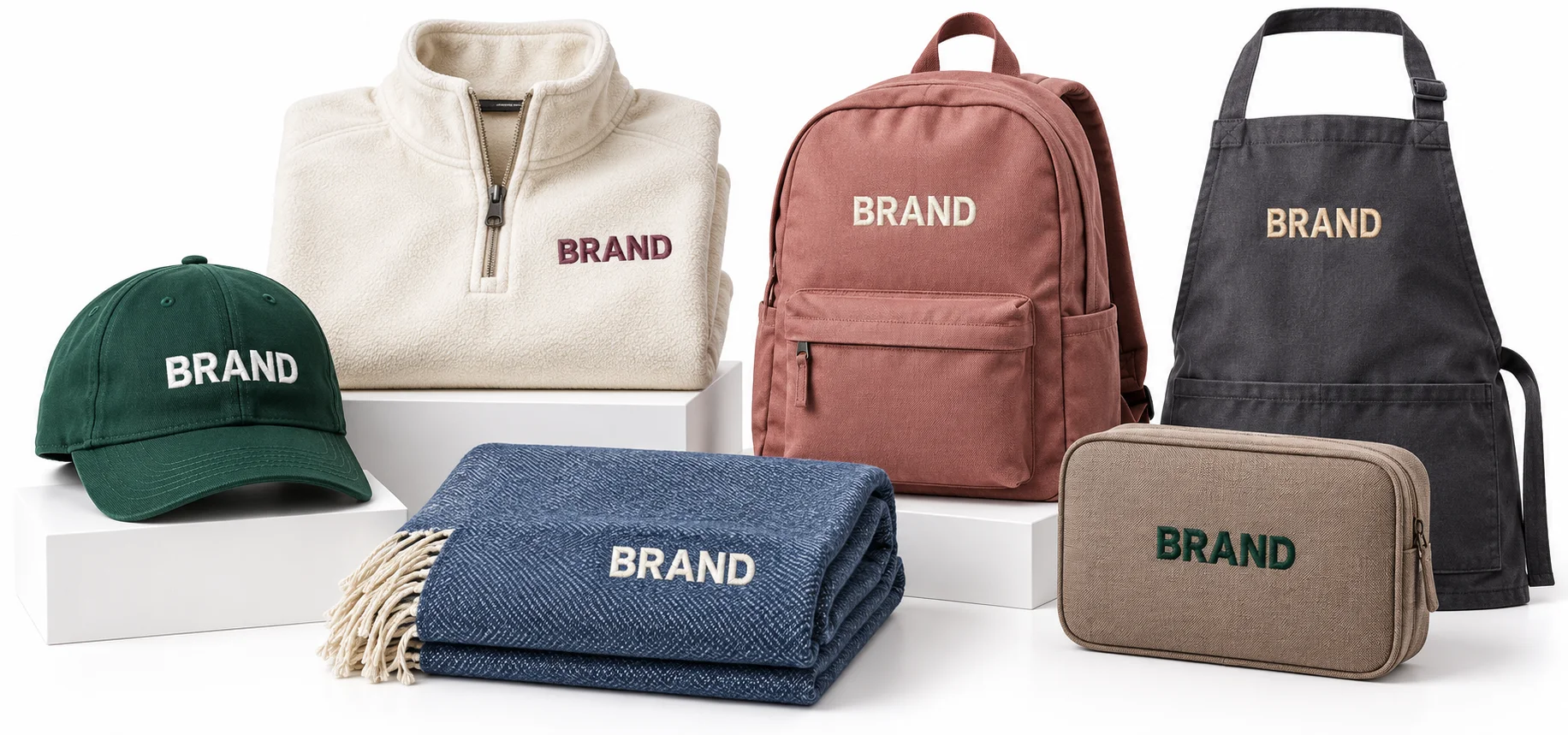
Add dimensional stitched branding to compatible apparel, caps, bags and textile promotional products. We review the fabric, artwork, thread colors, embroidery area and stitch requirements before production.
Embroidery suitability depends on the fabric structure, product construction, artwork detail, stitch area and intended use.
The appropriate embroidery style depends on the fabric, product construction, artwork, desired texture and available decoration area. Some products support only selected embroidery techniques.
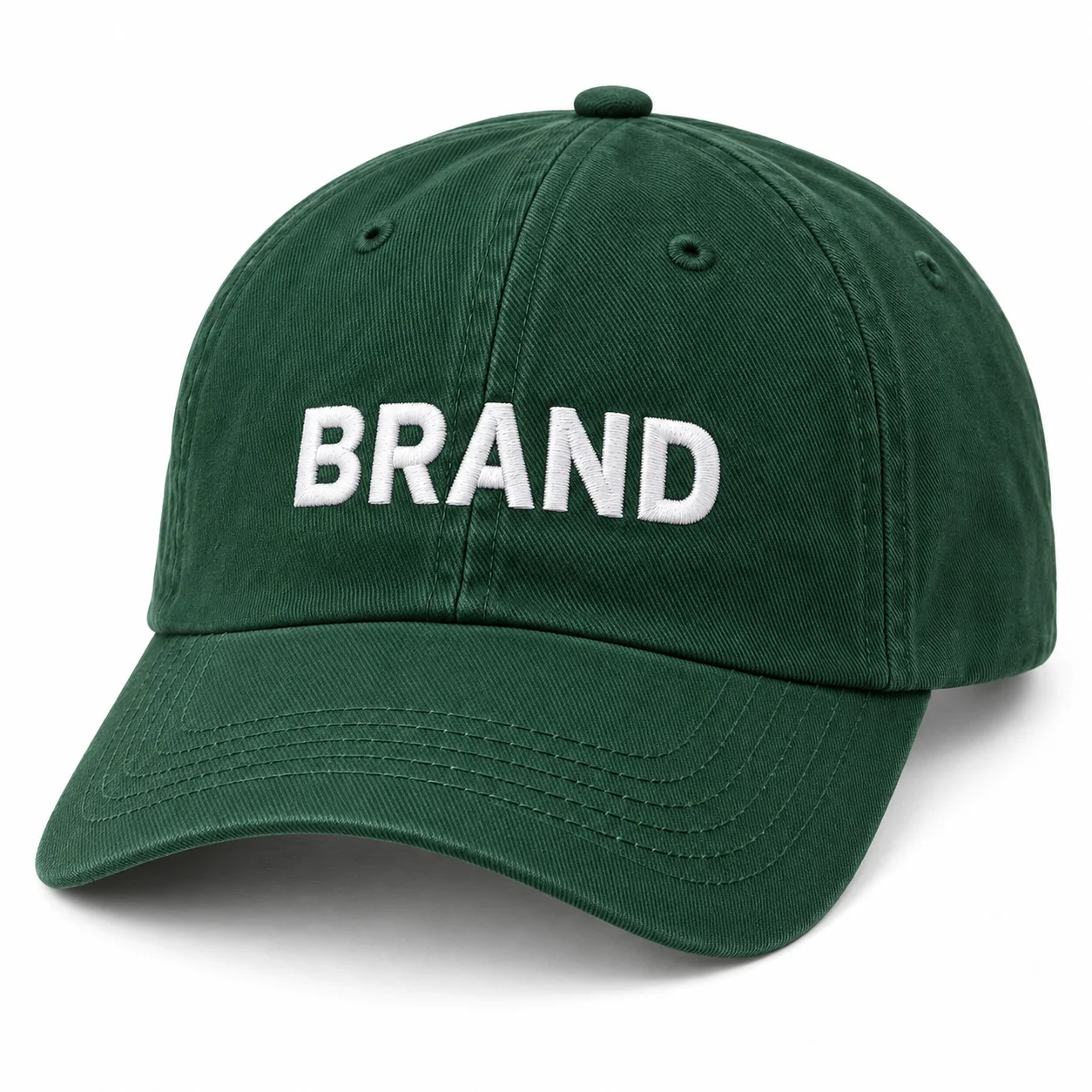
Thread is stitched directly onto the fabric to create a clean, slightly raised design. It is the most versatile option for logos, lettering and clearly defined shapes.
Suitable products: Caps, polos, jackets, backpacks, aprons, blankets and fabric organizers.
Best for: Company names, simple logos, lettering and multicolor artwork with clear separation.
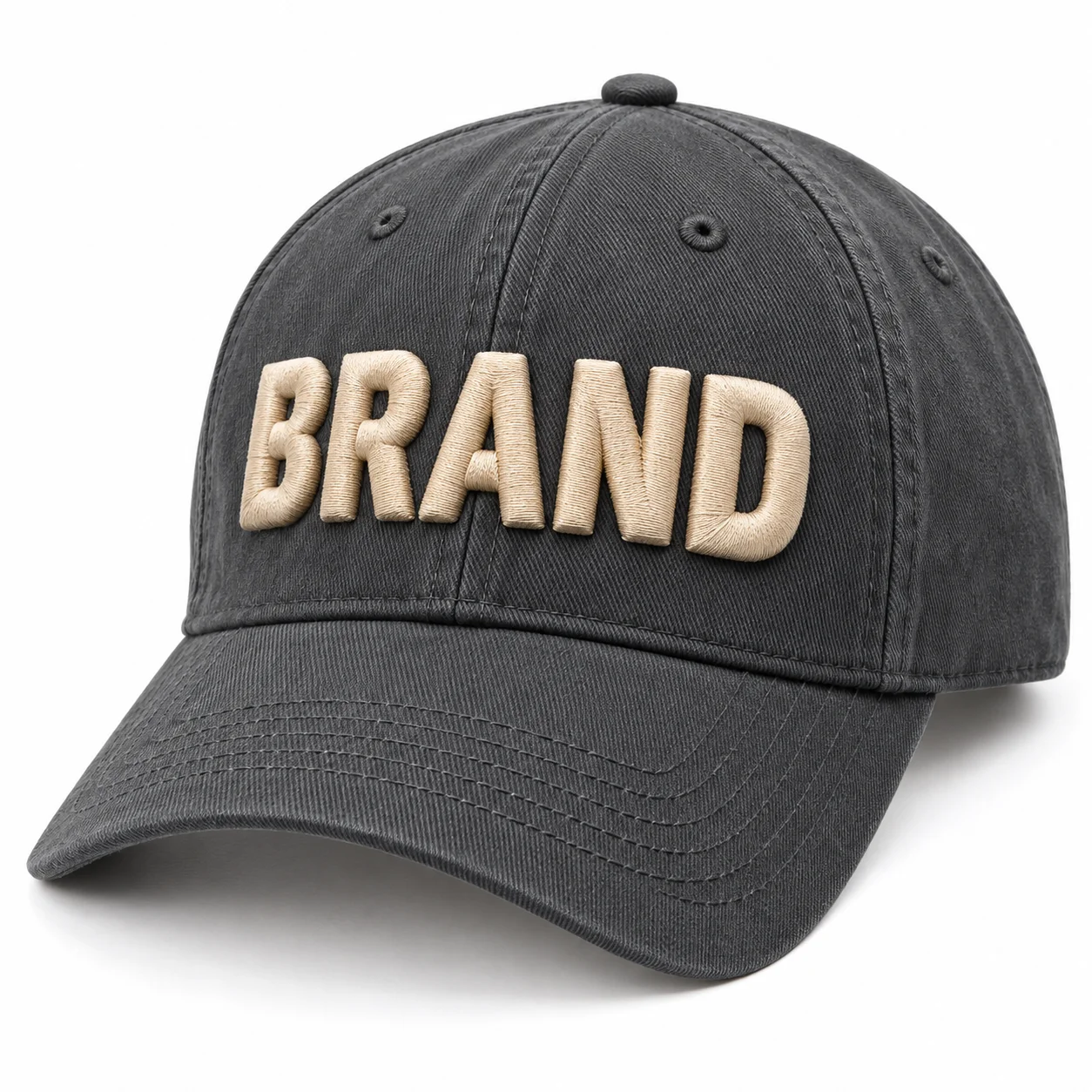
Foam is placed beneath selected stitching to create a more prominent raised effect. It is generally most suitable for bold artwork with thicker shapes.
Suitable products: Structured caps and selected heavy textile products.
Best for: Large initials, bold lettering and simple graphic shapes.
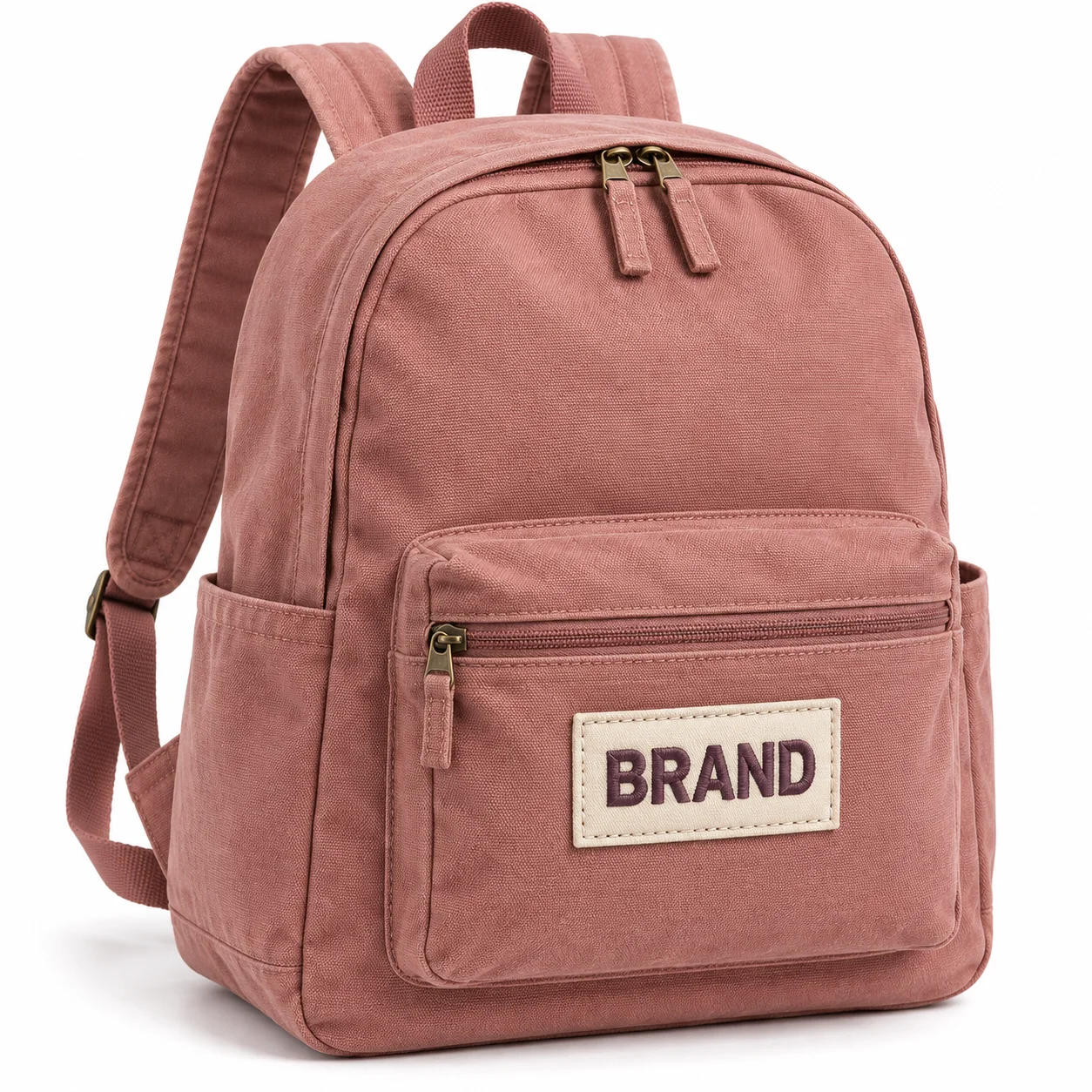
Artwork is embroidered onto a separate fabric patch, which is then attached to the selected product. This can help define the decoration area and create a merchandise-style appearance.
Suitable products: Jackets, backpacks, caps, workwear and selected fabric accessories.
Best for: Badge-style artwork, detailed emblems and removable or separately produced branding components.
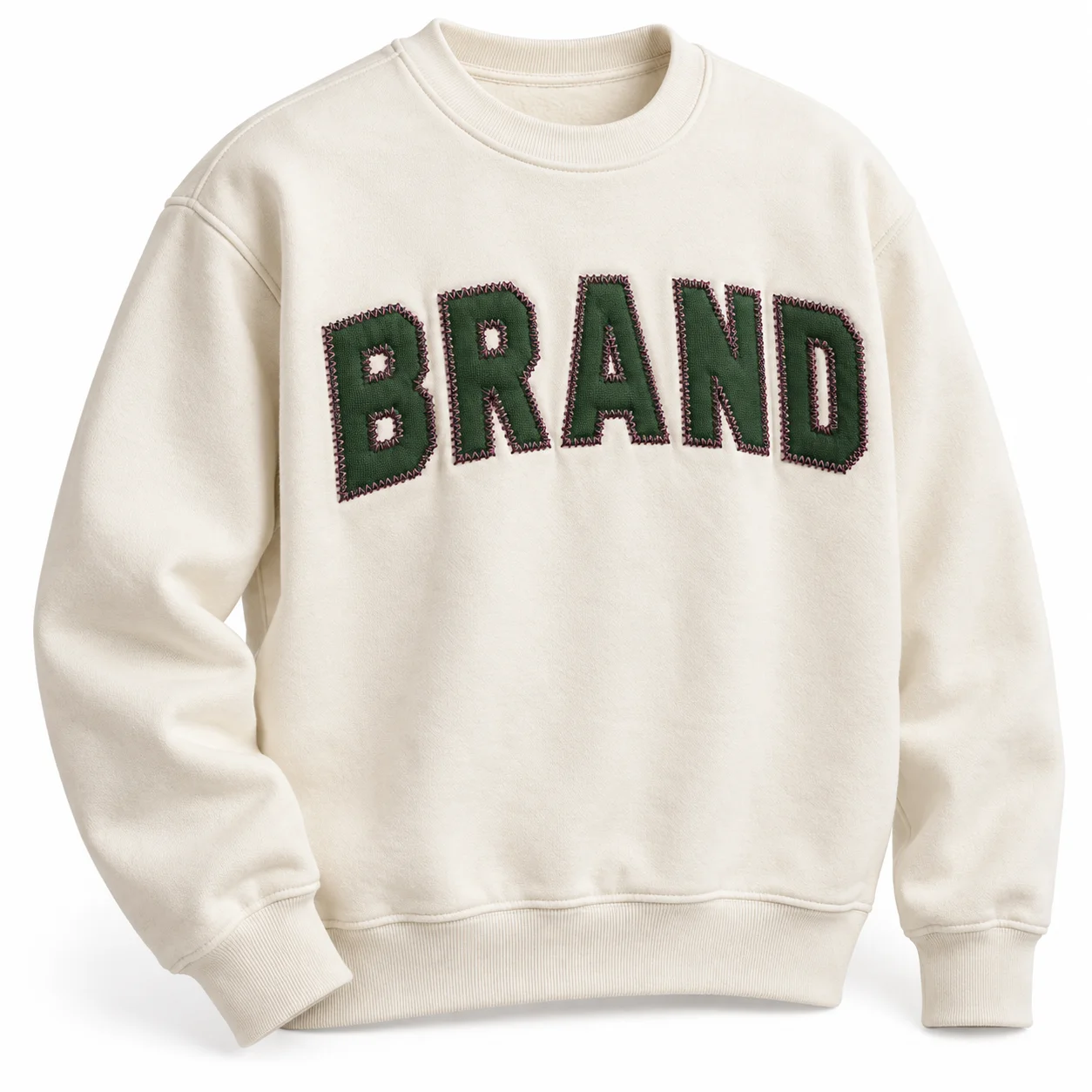
A shaped fabric layer is stitched onto the product to create contrast, dimension and a larger decorative area with fewer fill stitches.
Suitable products: Jackets, sweatshirts, blankets, bags and selected heavy textiles.
Best for: Large lettering, simple shapes and designs requiring fabric contrast.
Embroidery suitability note: Not every embroidery style is suitable for every textile product. Fabric weight, available hooping area, seams, internal structure and artwork detail must be reviewed before confirming the embroidery method.
Different fabrics respond differently to embroidery. Review the product construction, fabric weight, stretch, surface texture and available branding area before selecting the stitch style.
| Product or Fabric | Common Applications | Embroidery Considerations |
|---|---|---|
| Cotton Twill | Caps, aprons and tote bags | This stable material commonly supports clean flat embroidery. Seams and the available hooping space must still be reviewed. |
| Piqué Knit | Polo shirts and uniforms | Stitch density should be carefully controlled to help reduce puckering and distortion around the embroidered logo. |
| Fleece | Jackets, pullovers and blankets | Suitable underlay and stitch coverage help prevent the embroidered design from sinking into the raised fabric surface. |
| Plush & Soft Fabrics | Plush toys, mascot accessories and soft textile merchandise | Pile height, fabric softness, stuffing, seam location, embroidery backing and access to the decoration area should be reviewed before confirming the stitched design. |
| Canvas | Backpacks, pouches and utility bags | The heavier structure may support detailed embroidery, subject to seams, pockets, closures and access to the branding area. |
| Performance Polyester | Sportswear and lightweight apparel | Lightweight or stretchy material may require additional stabilization and carefully managed stitch density. |
| Heavy Apparel | Sweatshirts, workwear and jackets | These products may support flat embroidery, appliqué or selected raised effects depending on their placement and construction. |
Product compatibility note: Final embroidery suitability must be confirmed for the selected product. Fabric thickness, surface texture, lining, seams, zippers, pockets, stuffing and access to the reverse side can affect the available embroidery area and finished stitched result.
Embroidery artwork must be converted into stitch instructions before production. We review the logo structure, lettering, thread colors, dimensions and intended placement to identify details that may need adjustment.
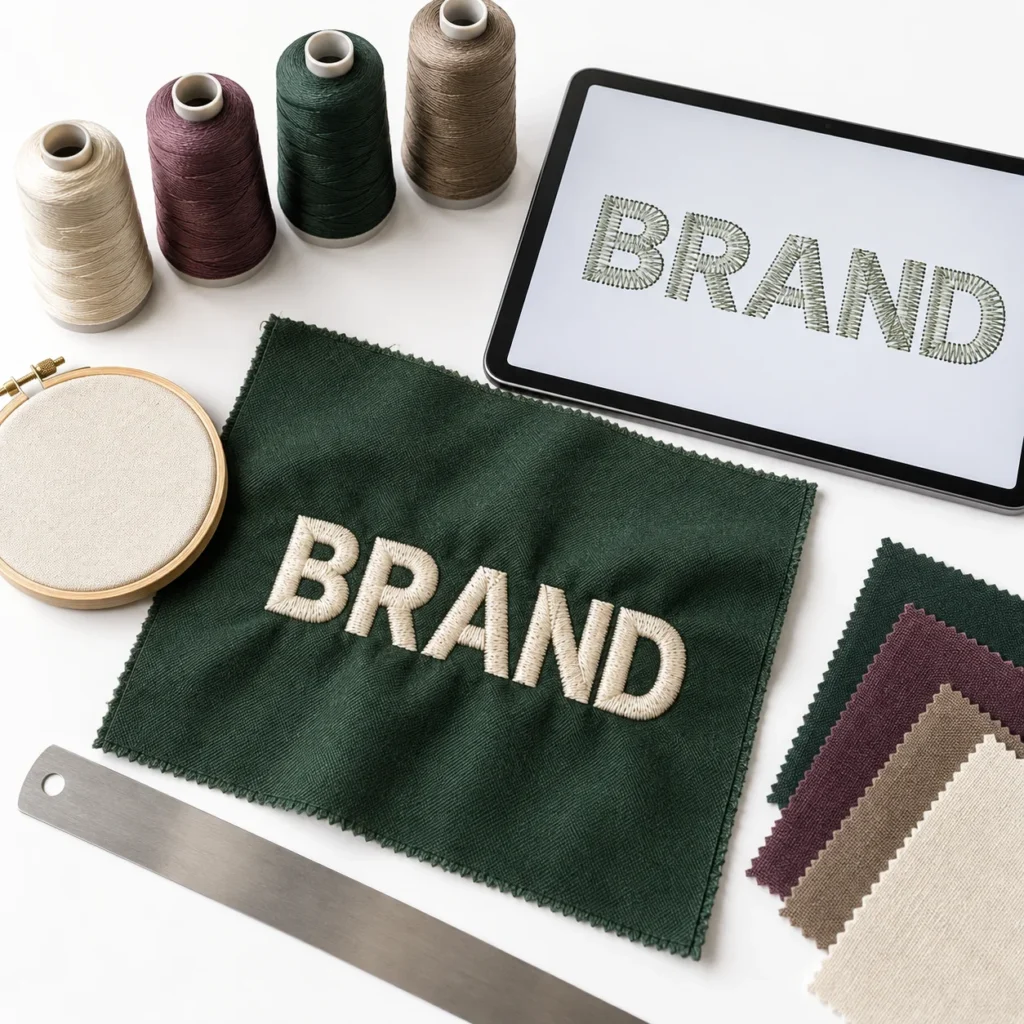
The available embroidery area depends on the product’s shape, seams, pockets and internal construction. Confirm the position and finished dimensions before artwork digitization and sampling.
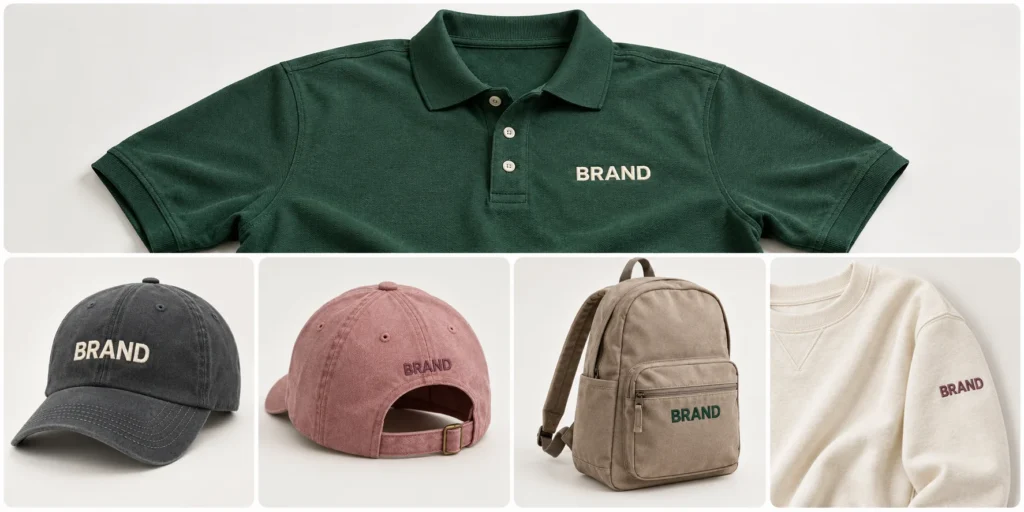
Sizing clarification: State embroidery dimensions as the finished width and height of the stitched design—not only as a percentage shown on a digital mockup. Final placement remains subject to the selected product’s construction and accessible embroidery area.
Embroidery requirements are reviewed together because the product, artwork and stitch specification can influence preparation, production time and pricing.
| Planning Factor | Why It Matters | What to Confirm |
|---|---|---|
| Embroidery Size | Larger designs generally require more stitches and additional production time. | Finished width and height |
| Stitch Count | Stitch count is an important factor in embroidery pricing and production time. Two logos with the same finished dimensions can require very different stitch counts depending on fill coverage, detail, stitch density and design complexity. Higher stitch counts generally require more machine time and can increase production cost. | Whether the artwork can be simplified without affecting the intended brand appearance, and whether the approved embroidery size and detail level are appropriate for the product. |
| Thread Colors | Multiple colors may require additional thread changes and production preparation. | Required brand colors |
| Product Material | Fabric weight, stretch and surface texture affect stabilization, stitch density and the finished appearance. | Selected product and fabric |
| Logo Placement | Seams, pockets, closures and restricted internal access may reduce the usable embroidery area. | Exact position on each product |
| Order Quantity | Quantity influences production scheduling, setup allocation and estimated unit pricing. | Quantity required per design |
| Individual Names | Personalized names or variable wording require accurate individual production information. | Names, spelling and allocation |
| Sampling Requirement | A customized sample may add preparation and review time before bulk production begins. | Required approval route |
Planning note: Final pricing and production timing should be confirmed after the product, artwork, embroidery size, stitch requirements, quantity and sampling route have been reviewed.
Each embroidery project follows a structured review process so the product, placement, thread colors and stitched result can be confirmed before bulk production.
Review the selected textile product, logo artwork, required quantity, intended placement and delivery requirements.
Evaluate fabric compatibility, available embroidery area, small details, lettering and the appropriate embroidery style.
Prepare a visual layout showing the approximate position, finished dimensions and proposed thread-color direction.
Where required, review a stitch sample or customized product sample for placement, color and overall appearance.
Confirm the product, artwork, dimensions, thread references, placement, quantity, packaging and delivery details.
Approval clarification: A digital layout represents the intended positioning and approximate appearance. Exact thread texture, fabric response and stitched detail are best assessed through an agreed physical sample or stitch reference.
Find practical answers about embroidery artwork, suitable products, thread colors, placement, sampling and production planning.
Embroidery is commonly used on caps, polo shirts, jackets, sweatshirts, uniforms, backpacks, canvas bags, textile pouches, aprons and selected blankets. Suitability depends on the fabric, construction and available embroidery access.
Vector artwork in AI, EPS, SVG or editable PDF format is preferred. Other files may be reviewed, but low-resolution artwork, fine details and very small lettering may require adjustment before digitization.
Thread colors can be selected using available thread charts and supplied brand-color references. Because thread has texture and reflects light differently from printed ink, an exact visual match cannot always be guaranteed.
Yes. Very small lettering and thin lines may not stitch clearly. The practical minimum depends on the font, fabric, thread, stitch type and overall design, so the artwork should be reviewed before confirmation.
Variable names or wording may be possible for selected products and order quantities. A final list with correct spelling and allocation details must be supplied and approved before production.
Sometimes, but seams, pockets, zippers, lining and internal structure may restrict machine access or affect stitch quality. An alternative placement may be recommended after product review.
A stitch sample or customized product sample may be arranged depending on the product, artwork and project requirements. Sampling availability, cost and timing should be confirmed for the specific order.
Pricing can be affected by stitch count, embroidery size, number of thread colors, product material, placement, quantity, personalization and sampling requirements.
Share your selected product, logo artwork, required quantity, preferred placement, thread-color references and delivery destination. Our team will review the embroidery requirements and recommend the next step.
Share your basic product requirements, and our team will review your enquiry and contact you to discuss the next steps.
Have more project details? Complete our full quotation form.