Product Model
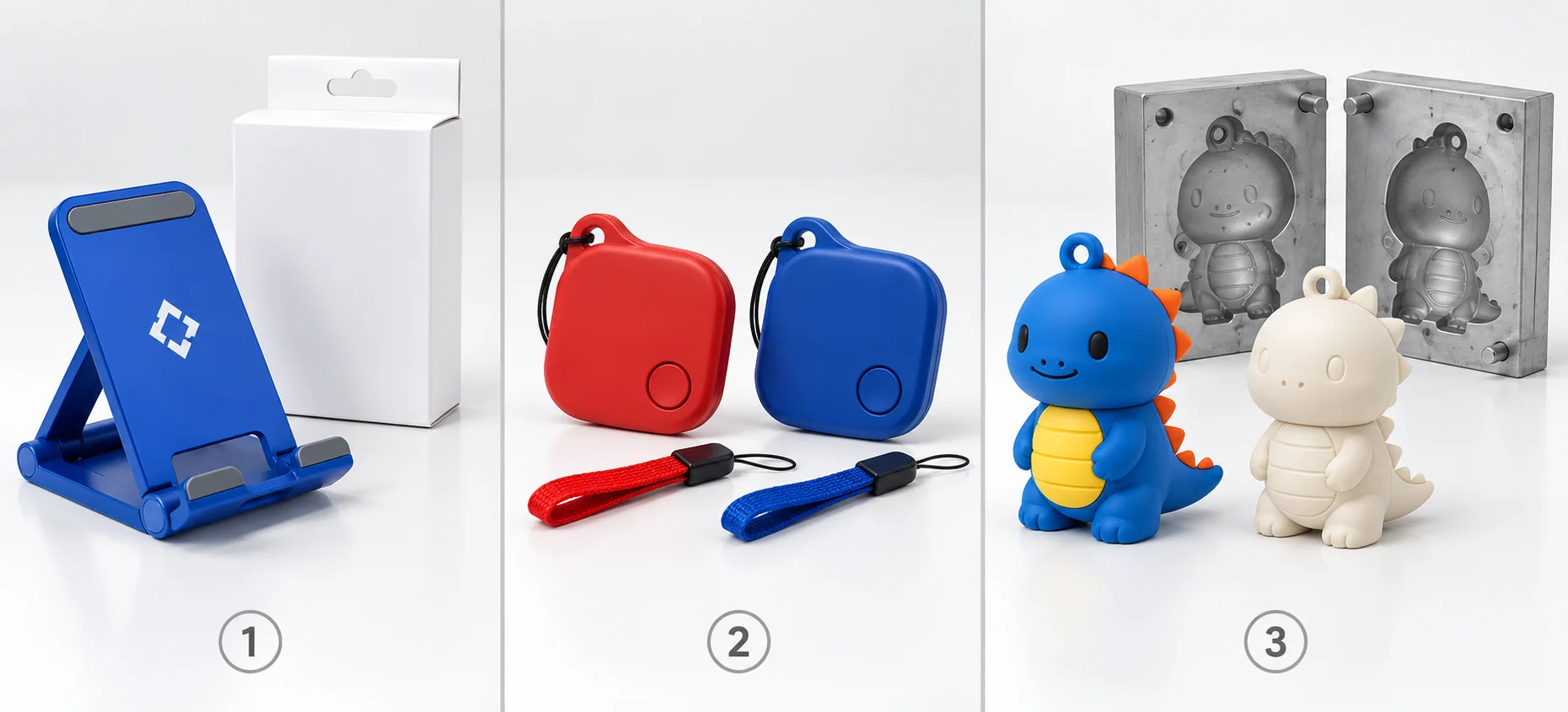
Can an existing or similar product format be used instead of a fully new structure?
A specific function or product size is required.
A similar available product model is acceptable.
Custom Promotional Gifts • OEM/ODM Manufacturing • Worldwide Delivery
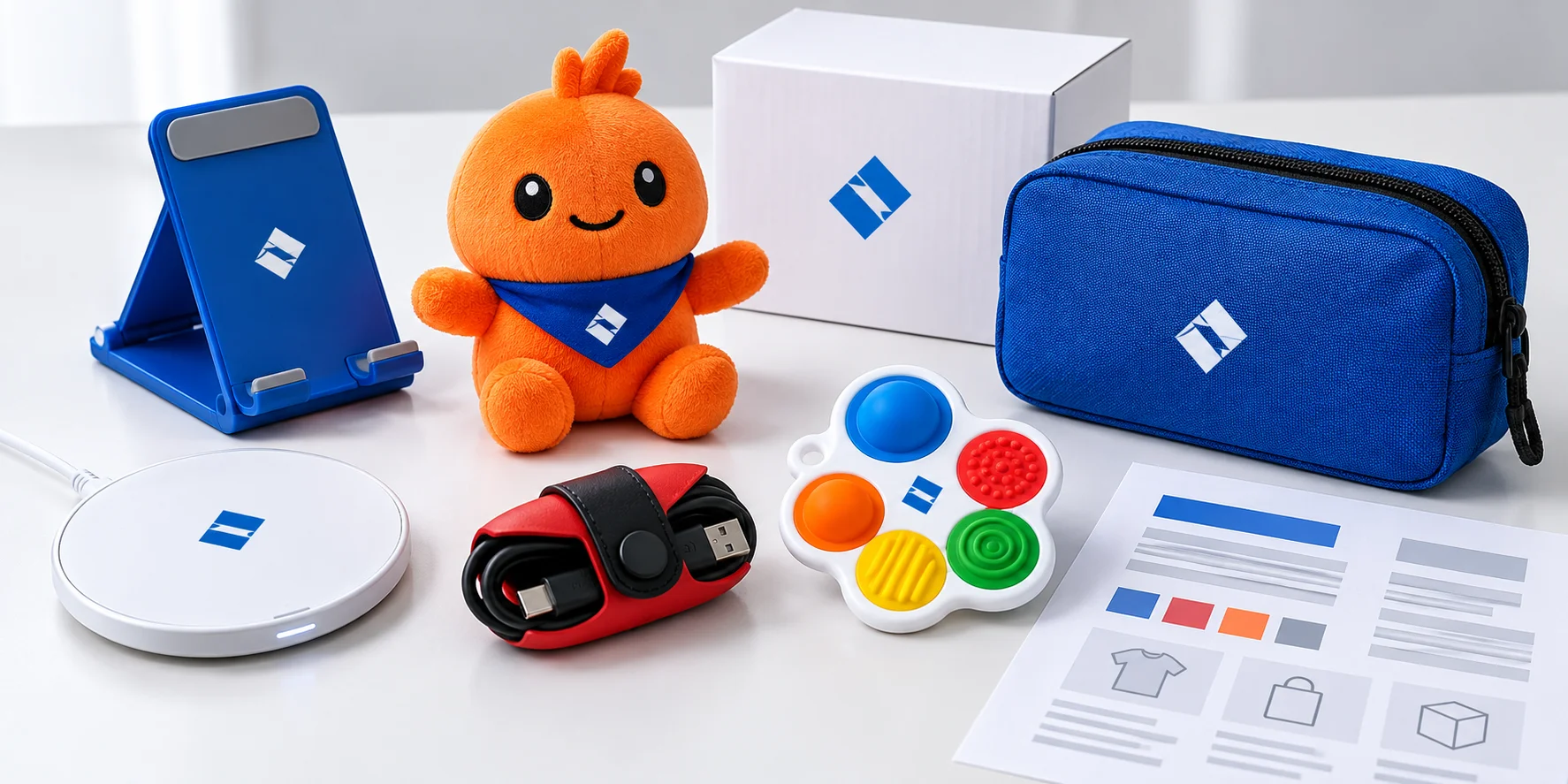
Explore promotional product options for lower order quantities where suitable product formats, branding methods, packaging and production routes are available.
There is no single low MOQ that applies to every promotional product. The most practical route depends on the selected product, customization, materials, packaging and how much flexibility the project allows.
We help review quantity requirements, setup considerations, branding, packaging and delivery needs before recommending a practical sourcing or production direction.
MOQ planning note:
Product MOQ is confirmed according to the selected product, customization, material, packaging, production setup and available project flexibility.
Lower quantities may be possible through different sourcing and production routes. The right route depends on how much of the product, color, branding, packaging and product structure can remain standard.
Time-sensitive campaigns, first orders, market tests and straightforward branding.
Select an existing product model and apply a compatible branding method without changing its fundamental construction.
Current stock, available colors, branding area, packaging and future replenishment.
More flexibility may be required on the product model, stock color, branding method or packaging.
Projects requiring greater differentiation without a complete structural redesign.
Start with an existing catalog product and modify selected elements such as color, branding, accessories or presentation.
Color minimums, components, accessories, branding, tooling and setup requirements.
Selected changes may be practical, while complete structural or component customization may not be available at the requested quantity.
Distinctive shapes, character products, special functions or project-specific construction.
Develop a product around specific shape, material, functional, branding or packaging requirements.
Tooling, prototyping, material minimums, specialized components and development quantity.
Very small quantities may be less practical when new tooling, custom materials or specialized components are required.
For a lower-quantity project, flexibility can be just as important as the target quantity. Tell us which requirements are fixed and where alternatives are acceptable.
Can an existing or similar product format be used instead of a fully new structure?
A specific function or product size is required.
A similar available product model is acceptable.
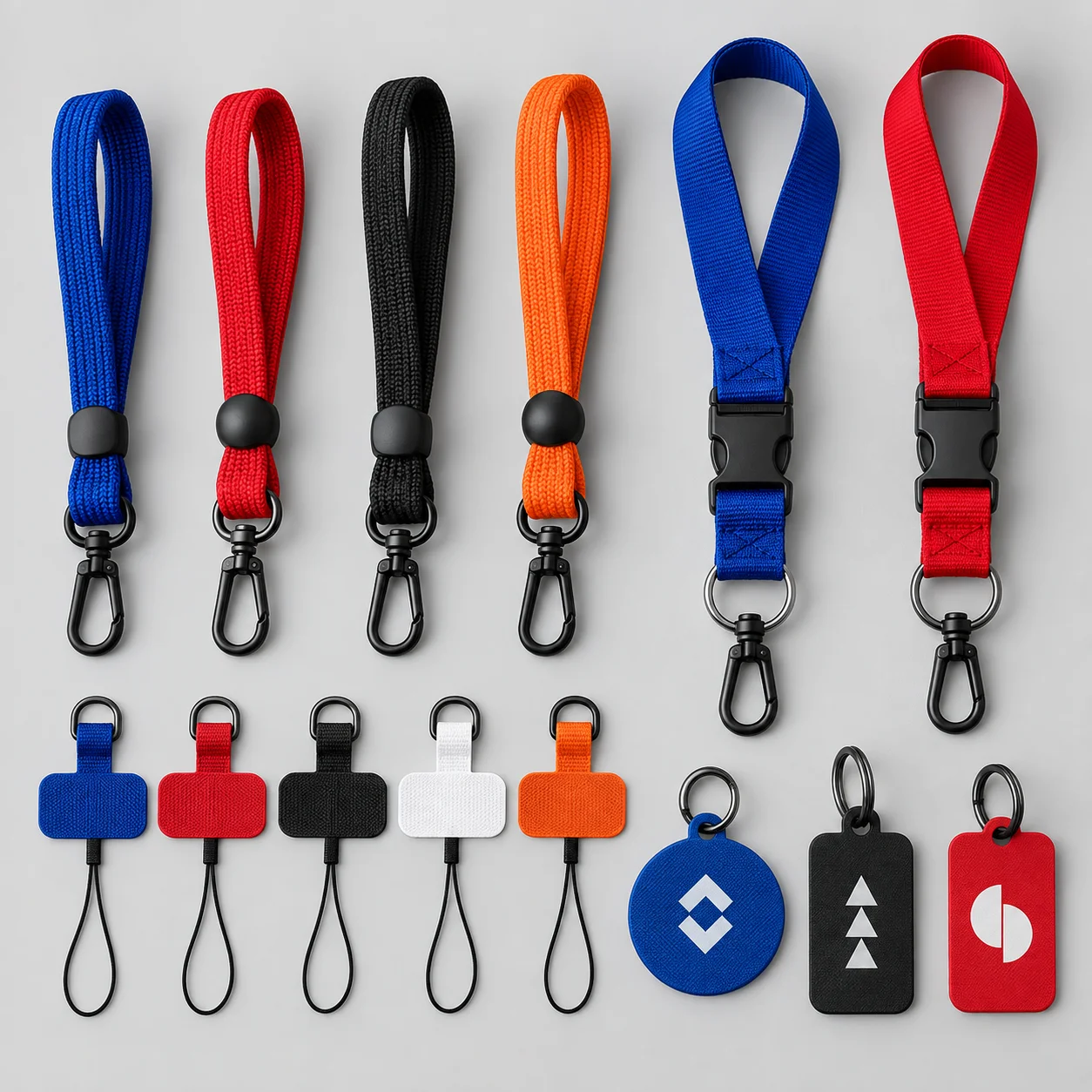
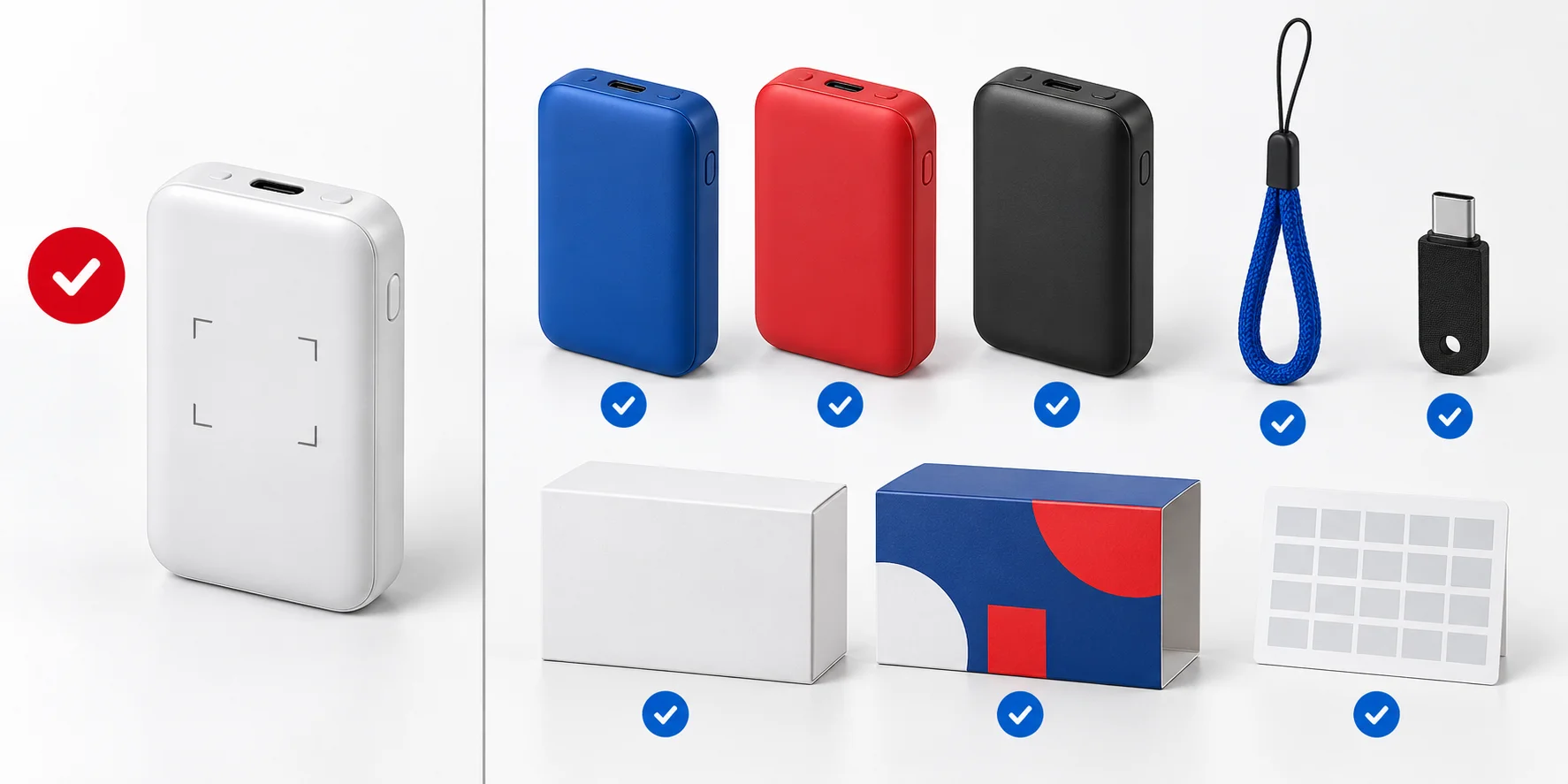
Can an available stock color be used, or is a custom-matched color essential?
The product must match a defined brand color.
An available blue, black, white or other stock color can be used.
Can the logo be adapted to a compatible print, engraving, embroidery or another available method?
The logo position and approximate size must remain consistent.
The decoration method can change according to the product surface.
Can standard or adaptable packaging be used instead of a fully custom box or insert?
Every item requires individual presentation.
An available box or adaptable printed sleeve can be used.
Can available straps, clasps, connectors, inserts or other components be used?
A particular function or connection type is required.
Available component colors or attachment styles are acceptable.
Is there flexibility in the arrival date if the preferred route requires additional preparation?
Products must arrive before a confirmed event or campaign date.
The delivery window can be adjusted for a more suitable route.
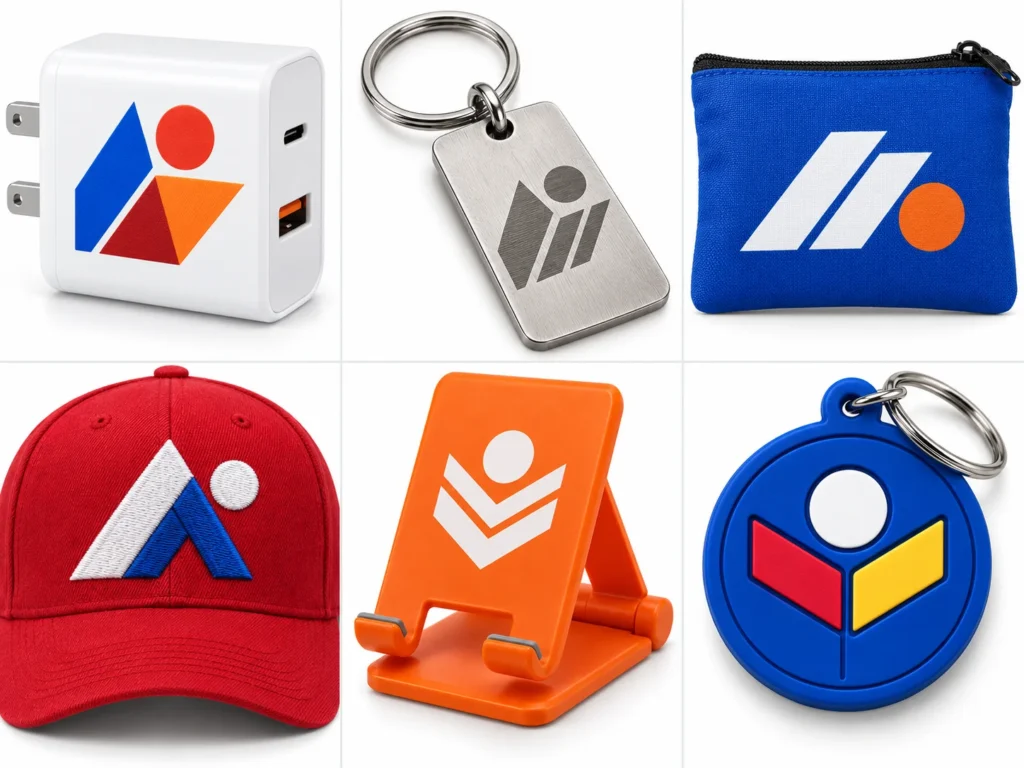
Some existing and adaptable product formats may provide more practical routes for smaller orders. These examples do not represent fixed minimum quantities. Availability and MOQ must be confirmed for the selected model, color, branding method, packaging and production period.

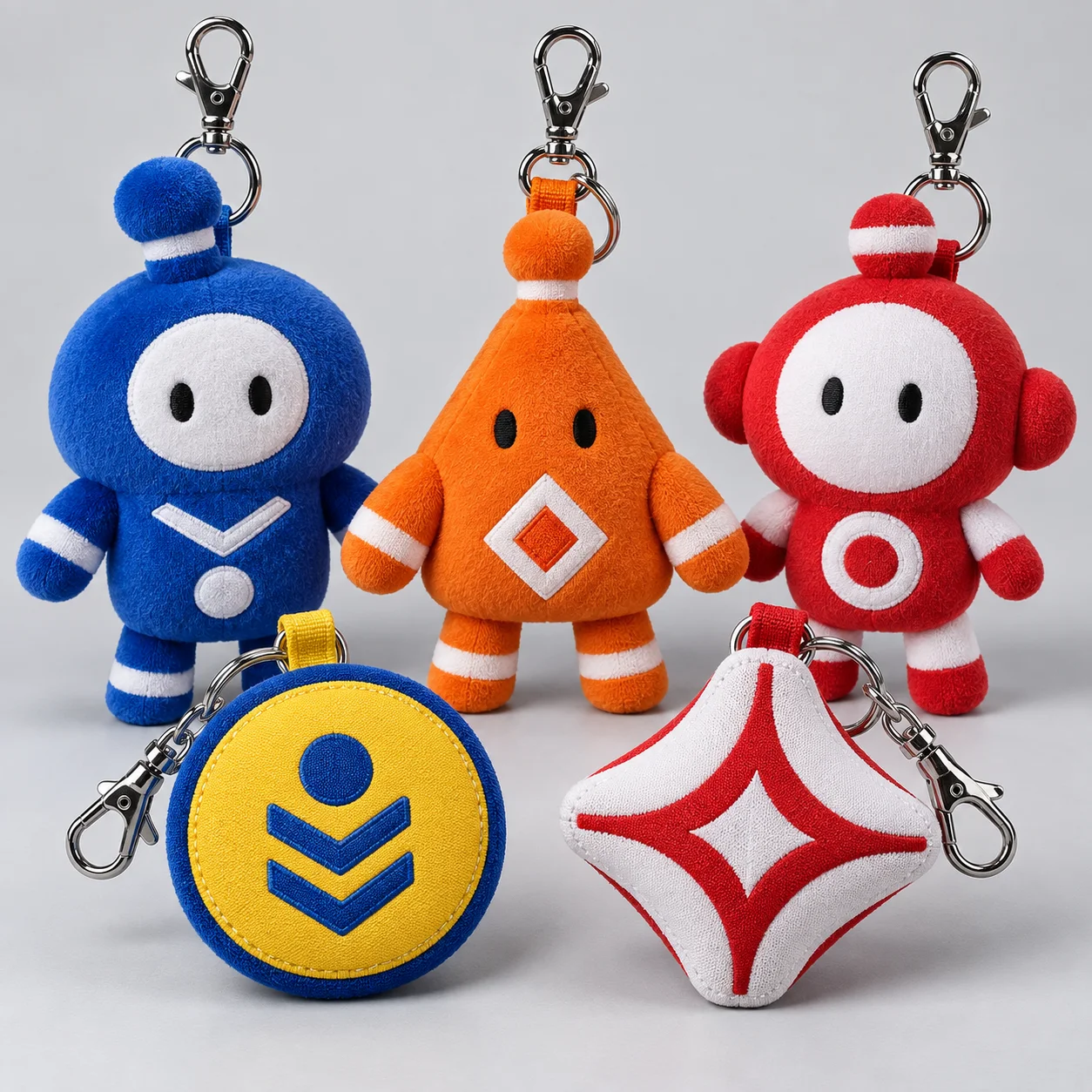
Existing shapes or simplified custom directions may provide practical options for selected smaller campaigns.

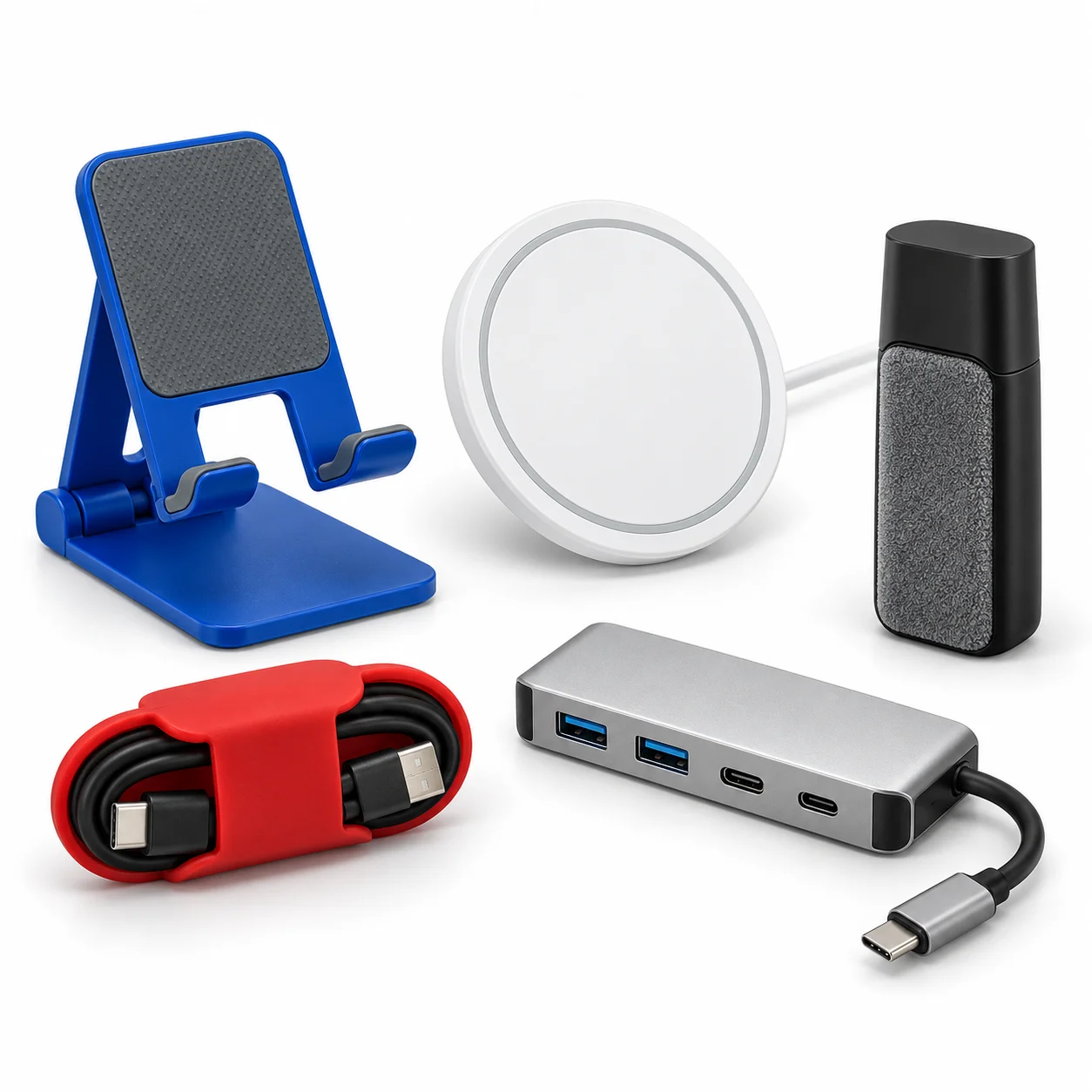
Standard components can sometimes be combined with selected colors, printed elements or branded attachments.

Selected ready-stock mobile stands, cable organizers and similar accessories may support straightforward branding.

Existing plush shapes, fabric charms or adaptable textile formats may offer a lower-development route.

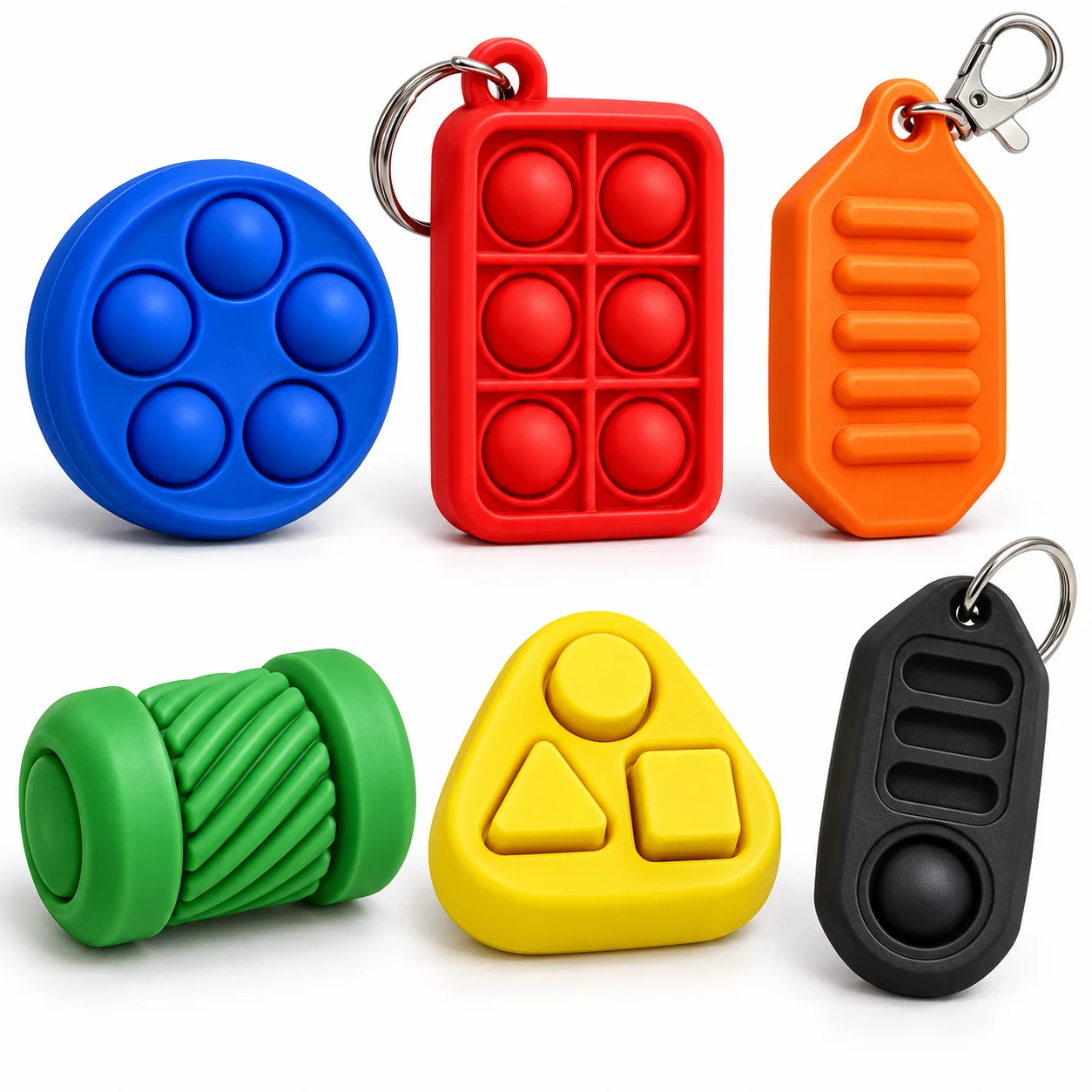
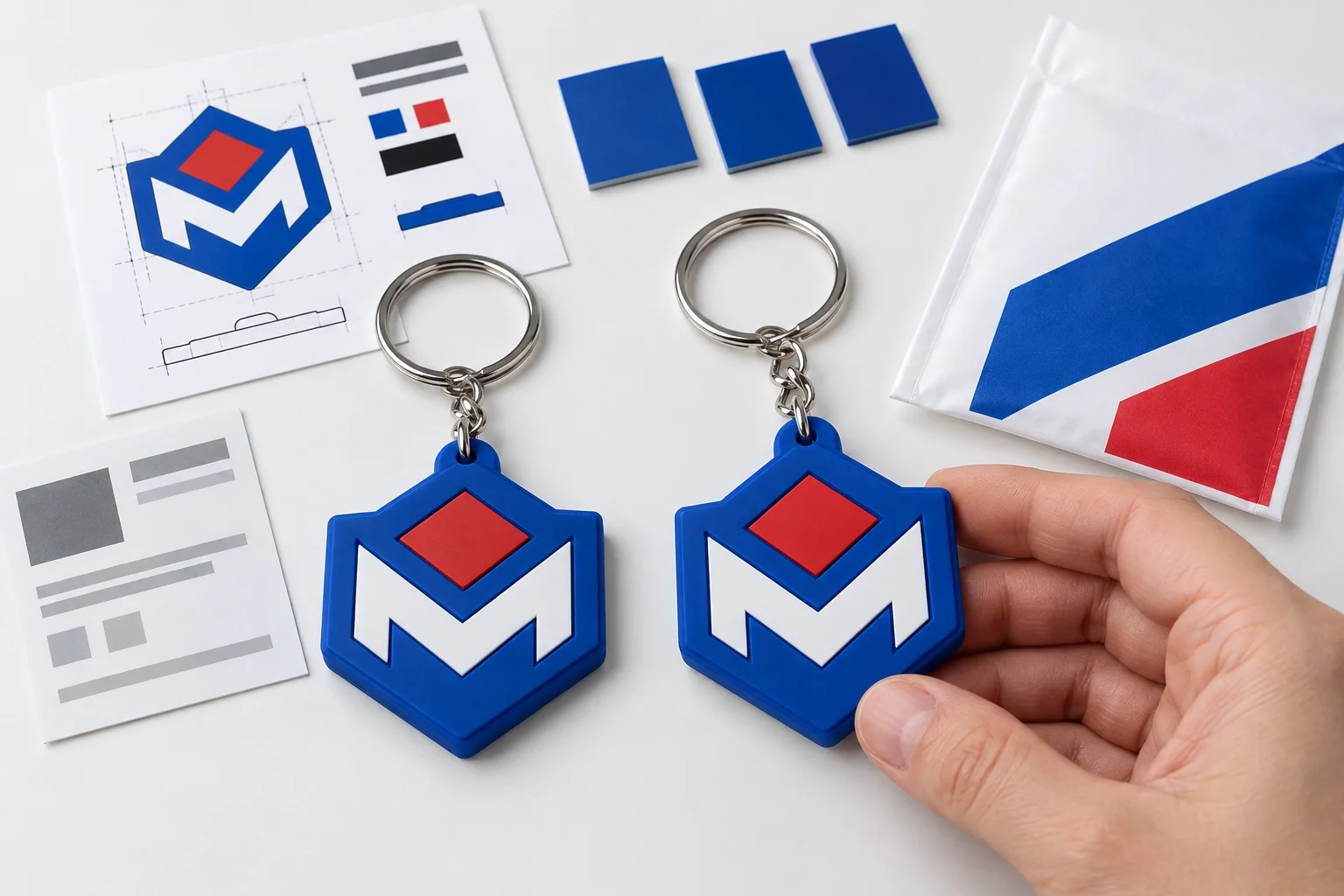
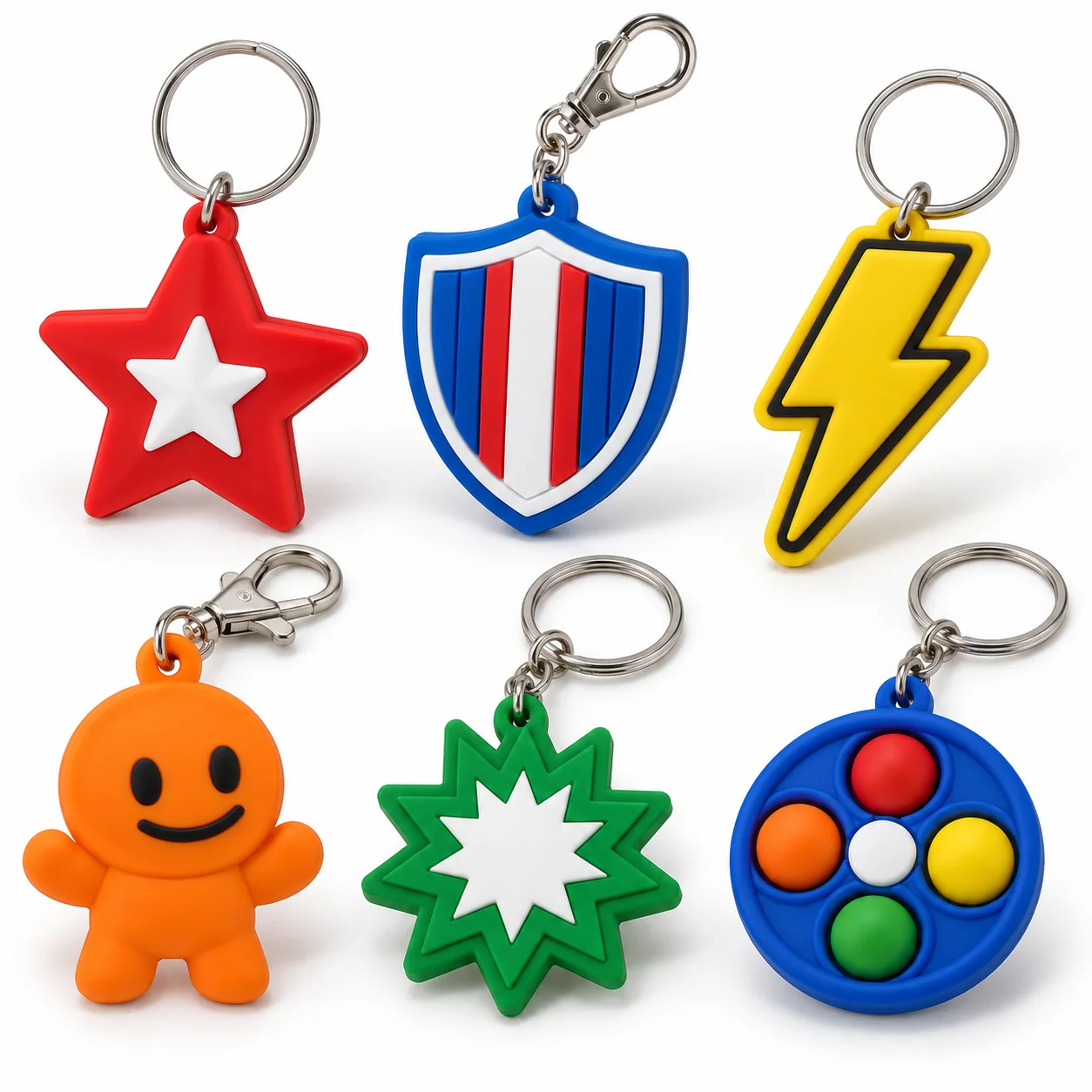
Selected existing molded or tactile formats may provide a more practical route than developing a completely new mold.

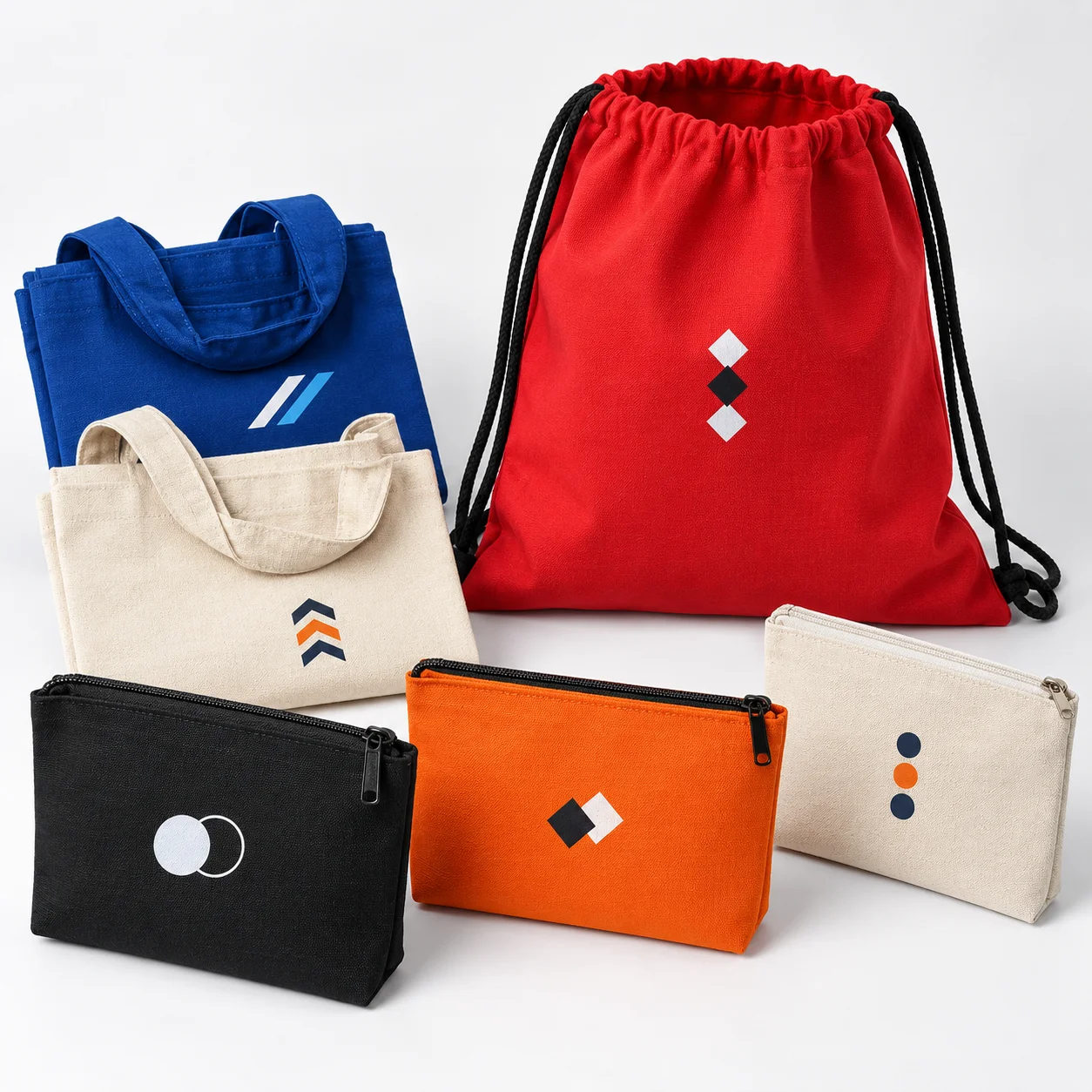
Existing bag and pouch formats may support lower quantities when standard materials and compatible branding methods are used.
Minimum order quantities are determined by more than the number of finished products required. Materials, components, customization, production setup, tooling and packaging can each introduce separate minimums.
| No. | MOQ Factor | How It Can Affect the Order |
|---|---|---|
| 01 | Product Format | Ready-stock products may support smaller orders, while modified or newly developed products can require additional preparation and higher quantities. |
| 02 | Material Availability | Fabric, silicone, PVC, plastic, metal and paper materials may be supplied in minimum purchasing or production batches. |
| 03 | Product Color | Available stock colors may provide a lower-quantity route. Custom-matched colors can require dedicated material preparation and larger quantities. |
| 04 | Branding Method | Printing, embroidery, engraving, heat transfer, molding and other decoration methods have different setup and quantity requirements. |
| 05 | Components and Accessories | Electronic parts, clasps, straps, zippers, connectors, inserts and other components may have separate supplier minimums. |
| 06 | Packaging Configuration | Standard bags or available cartons may be more flexible than printed sleeves, fitted inserts, rigid boxes or newly developed packaging. |
| 07 | Production Schedule | Current stock, production workload, material purchasing and timing can affect which lower-quantity options are available. |
| 08 | Tooling and Development Level | New molds, dies, fixtures, prototypes or product-development work can introduce separate minimums or make a very small production run less practical. |
Usingbuffers from an existing product with a compatible branding method may provide a more practical route for lower quantities. The selected product material, surface, artwork, number of colors and setup requirements should be reviewed together.
| No. | Branding Route | Low-MOQ Planning Guidance | What to Review |
|---|---|---|---|
| 01 | Digital or UV Printing | May suit selected products where compatible surfaces and artwork allow flexible short-run setup. | Review: Printable area, surface compatibility, white-ink requirements, artwork resolution and finish. |
| 02 | Laser Engraving | May suit compatible metal, coated metal, wood and selected hard surfaces where a durable tonal mark is appropriate. | Review: Material finish, engraving contrast, artwork detail and positioning. |
| 03 | Heat Transfer | May suit selected fabric bags, pouches and textile accessories, especially where detailed or multicolor graphics are required. | Review: Fabric composition, transfer size, heat tolerance and color coverage. |
| 04 | Embroidery | May suit selected textile and plush items where the order quantity and embroidery setup are practical. | Review: Stitch count, artwork simplification, fabric stability and thread colors. |
| 05 | Screen or Pad Printing | May suit simple logos and limited-color artwork when setup requirements remain practical for the requested quantity. | Review: Print colors, screens or plates, product shape and print position. |
| 06 | Existing Mold or Recessed Branding | May suit selected molded products when an available mold, recessed area or standard attachment can be used. | Review: Mold compatibility, color filling, attachment options and artwork detail. |
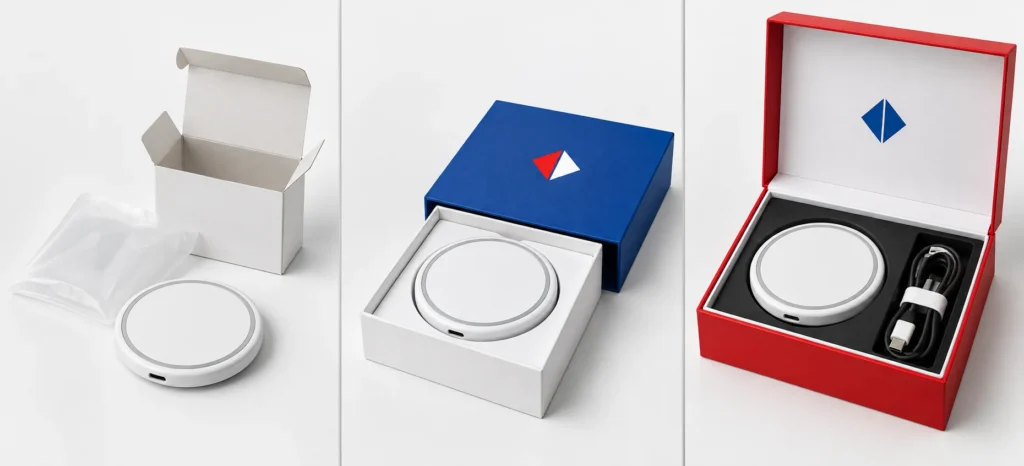
Packaging is often subject to different minimums from the promotional product itself. An available or adaptable packaging format may be more practical for a smaller order than a fully custom structure.
Use available bags, protective wraps, plain cartons or the product’s existing packaging format.
Product protection is the main requirement and a fully customized presentation is not essential.
Product dimensions, surface protection, individual packing and outer carton requirements.
Adapt an available box, sleeve, backing card or pouch using selected branding and presentation details.
The project needs a more branded presentation while retaining an existing packaging structure.
Packaging availability, product fit, printable areas, artwork, labeling and assembly requirements.
Develop fitted inserts, printed cartons, rigid boxes or coordinated multi-product kits around the selected products.
Packaging forms an important part of the recipient experience and project presentation.
Packaging minimums, insert development, artwork, product assembly, packed dimensions and transport protection.
A low product MOQ does not automatically mean that fully customized packaging is available at the same quantity. Product and packaging minimums should be checked separately before the final presentation is selected.
Some project costs are linked to setup, artwork preparation, sampling, tooling, material preparation and production coordination rather than the number of finished products. When these costs are divided across a smaller order, the cost per item may be higher.
Base product, components and materials required for each unit.
Screens, plates, embroidery programming, engraving setup, color preparation or other decoration requirements.
Molds, dies, fixtures, prototypes or technical preparation required for customized product development.
Individual packing, sleeves, inserts, gift-box assembly, accessory placement and kitting.
Carton dimensions, shipment weight, destination, delivery method and applicable documentation.
Pricing should be confirmed for the complete product configuration and requested quantity. Availability, material costs, production schedules, exchange rates and freight conditions may change between quotations.
Lower-quantity production can provide useful flexibility, but some product specifications may still require higher minimums. These limitations should be reviewed before the product direction is confirmed.
Producing a completely custom product color may require dedicated material preparation or a larger production quantity. Available stock colors can provide a more practical alternative.
Products requiring new molds, dies, fixtures or structural development may involve separate tooling costs and production minimums.
Uncommon materials, finishes or material combinations may depend on supplier availability and minimum purchasing requirements.
Multiple logo positions, several print colors, special finishes or combined decoration methods can increase setup requirements.
Rigid boxes, fitted inserts and specially printed packaging may have minimums that differ from the product order quantity.
Short preparation periods may reduce the available product, branding, sampling and packaging options for the project.
A previously supplied product may not remain available in exactly the same configuration. Stock, components, materials, colors, branding conditions and packaging options should be reviewed again before every repeat order.
Confirm whether the original product model remains available or whether an updated alternative should be considered.
Review current materials, stock colors and production references. Some variation may occur between separate production batches.
Confirm that the latest approved artwork, logo placement, branding method and color references are still correct.
Recheck packaging availability, required quantities, delivery destination and requested arrival date for the new order.
Find practical answers about minimum quantities, product availability, customization, packaging, pricing and repeat orders.
Low-MOQ promotional products are items that may be available in smaller order quantities than products requiring fully customized production. Available minimums depend on the product model, material, color, branding method, packaging and current supply conditions.
No. Minimum order quantities vary between products and configurations. Ready-stock items may support smaller quantities, while custom colors, components, molds, packaging or production processes may require higher minimums.
Ready-stock and adaptable catalog products generally provide more flexible quantity options. Examples may include selected PVC keychains, phone straps, compact technology accessories, fabric pouches, foldable bags, plush accessories and existing molded products. Availability must be confirmed for the chosen item.
Yes, selected products may support logo printing, UV printing, laser engraving, heat transfer, embroidery or other available methods. The practical branding route depends on the product material, printable area, artwork and requested quantity.
A custom product color may require dedicated material preparation and a higher production quantity. Selecting an available stock color is often a more practical option for a lower-quantity project.
Packaging options should be reviewed separately from the product MOQ. Standard packaging or an adapted existing box, sleeve, card or pouch may support smaller quantities more easily than fully customized packaging with new structures or fitted inserts.
Setup, artwork preparation, sampling, tooling, material preparation and production coordination costs may apply regardless of the final order quantity. When these costs are divided across fewer products, the resulting cost per item may be higher.
Not automatically. Product availability, components, materials, stock colors, branding conditions and packaging formats can change. Previous samples and order references support comparison, but every repeat order should be reviewed and reconfirmed.
Share your product idea or reference, intended use, estimated quantity, target budget, branding requirements, packaging needs, delivery destination and required arrival date. Let us know which requirements are fixed and where you can be flexible. We can review practical lower-quantity product and customization routes for your project.
MOQ availability and project requirements are confirmed for the selected product configuration.
Share your basic product requirements, and our team will review your enquiry and contact you to discuss the next steps.
Have more project details? Complete our full quotation form.