Available Print Area
Confirm the maximum printable dimensions and any restricted areas created by seams, curves, fasteners, handles or moving components.
Custom Promotional Gifts • OEM/ODM Manufacturing • Worldwide Delivery
Apply your logo or artwork to promotional products using a printing method suited to the product material, shape, branding area and intended visual result. We help review screen printing, pad printing, UV printing, digital printing and transfer options before production.
Printing suitability depends on the selected product, artwork detail, color requirements, print area and order quantity.
Compare six logo-printing methods used across different product materials, shapes and branding areas. Final suitability depends on the selected product, artwork, colors and order requirements.
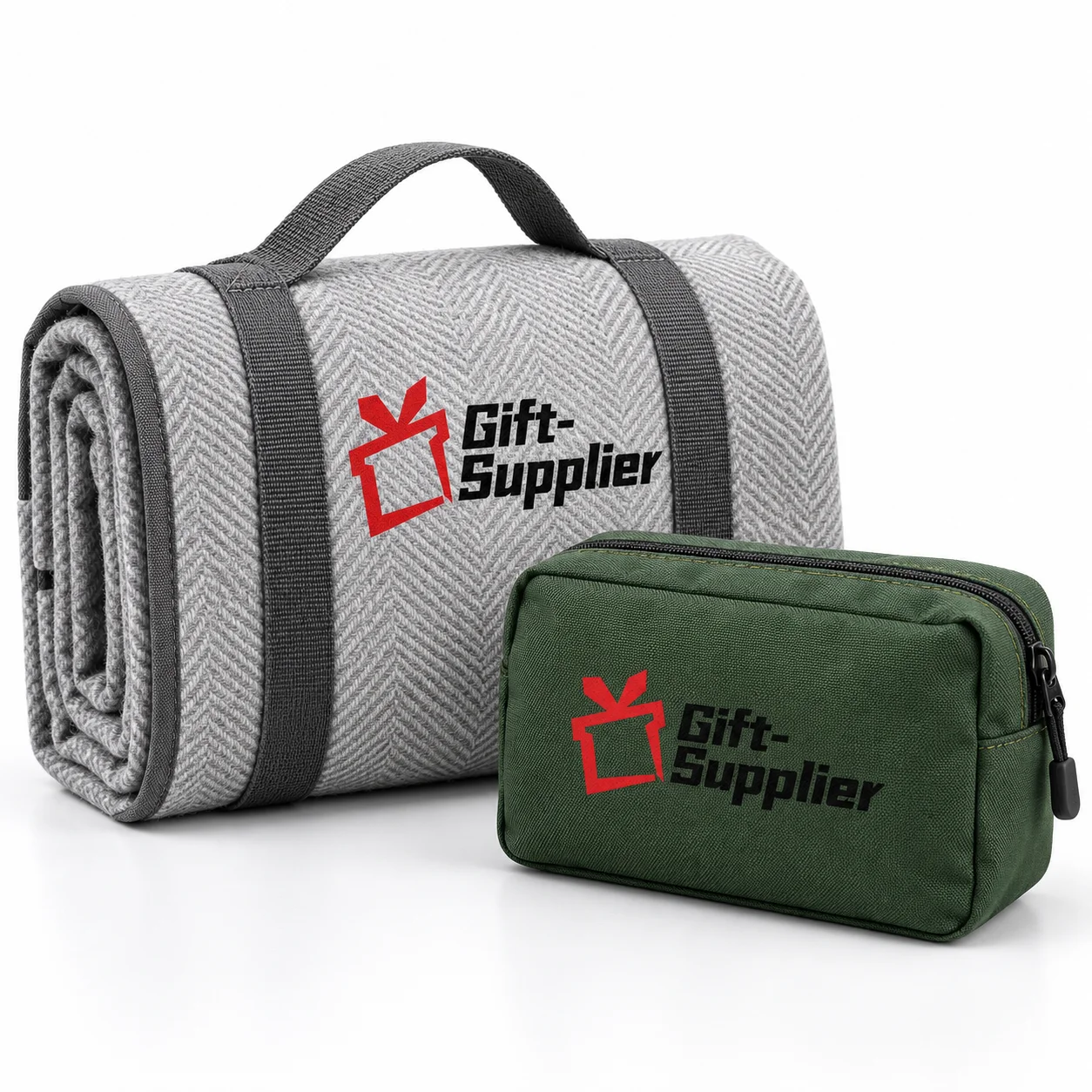
Applies ink through a prepared screen and works well for bold artwork with clearly separated colors.
Suitable for: Picnic blankets, umbrellas, fabric pouches, apparel and selected bags.
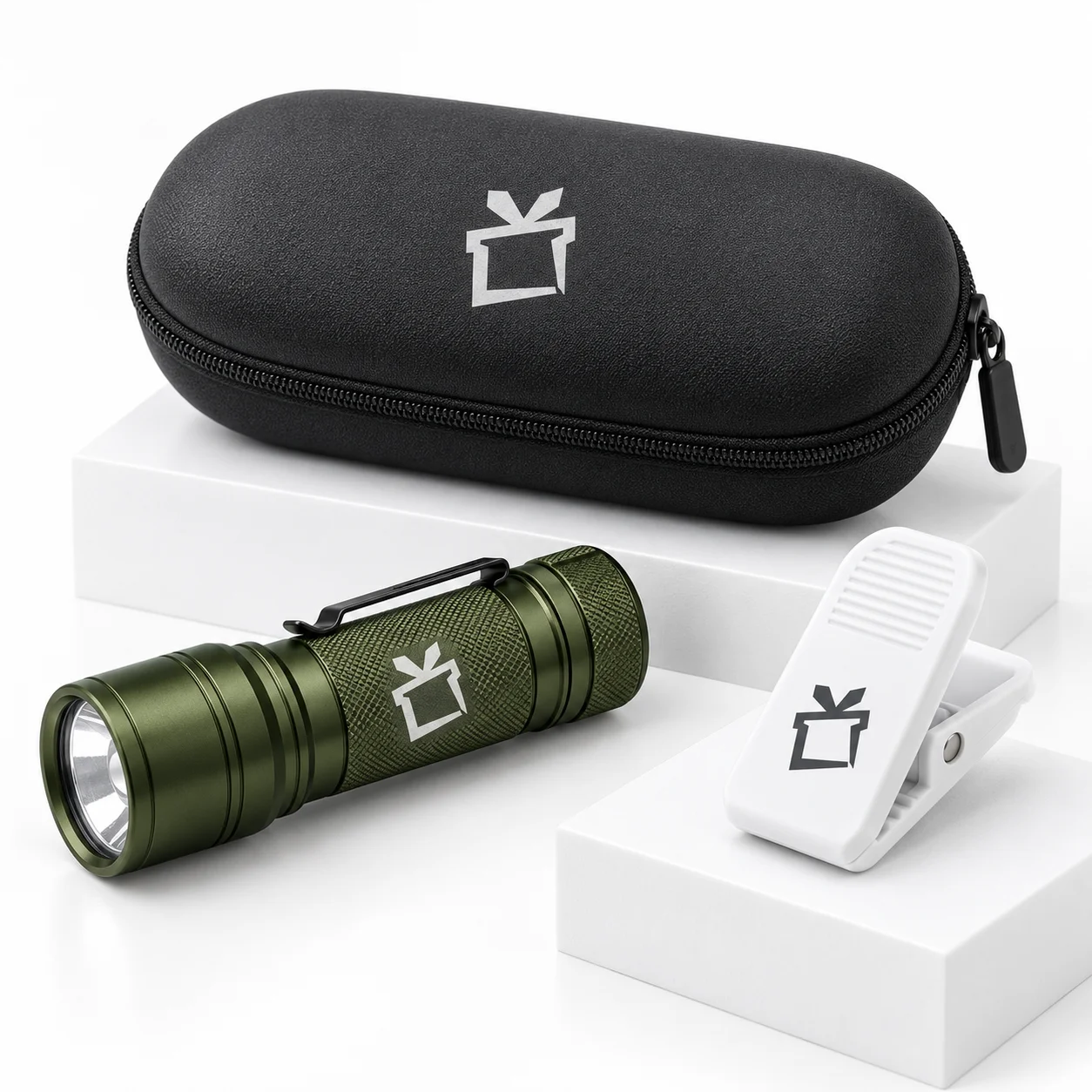
Uses a flexible silicone pad to transfer smaller artwork onto curved, recessed or irregular surfaces.
Suitable for: Flashlights, sunglasses cases, clips, small plastic accessories and product components.
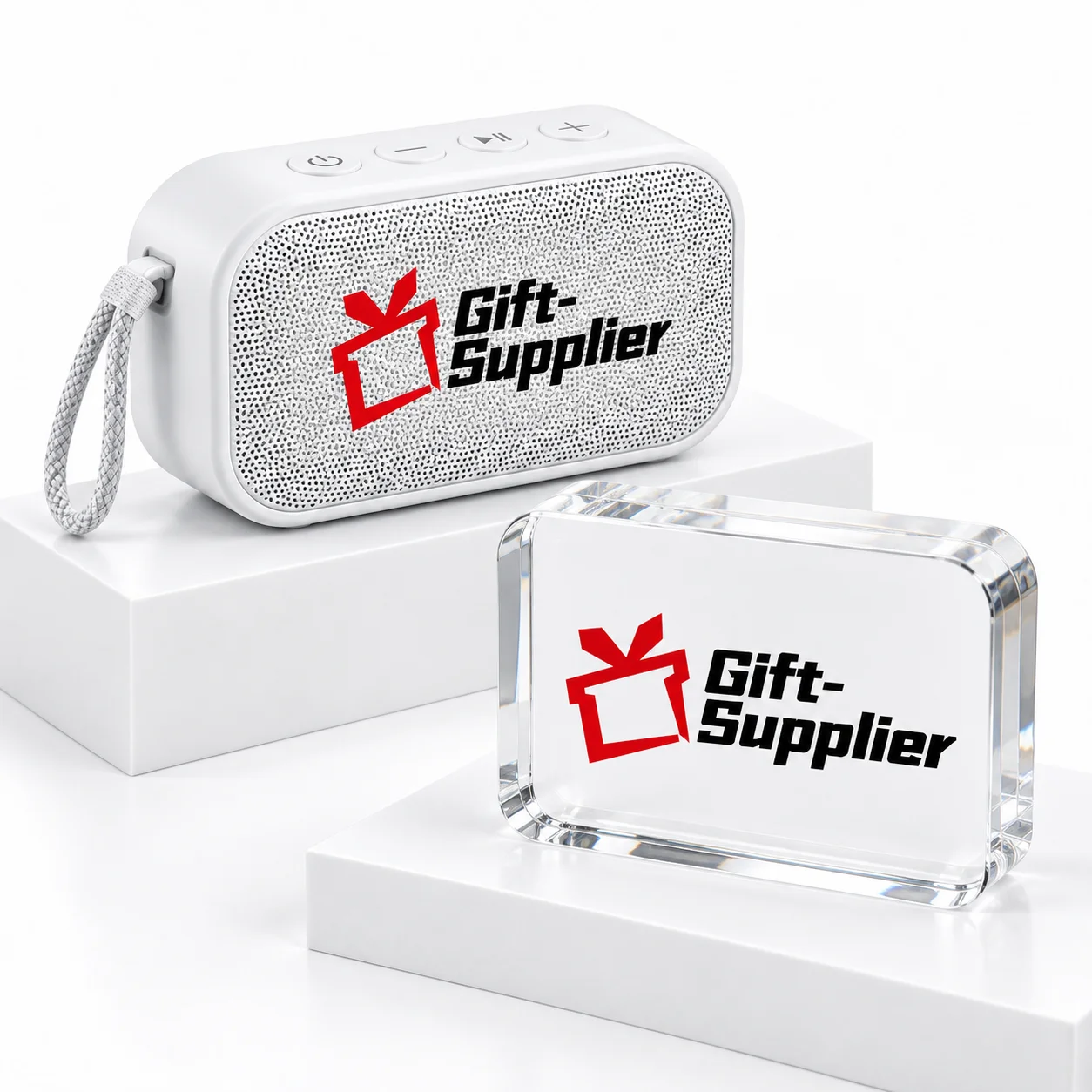
Uses UV-cured ink to reproduce detailed, multicolor artwork on compatible rigid surfaces.
Suitable for: Desk organizers, acrylic accessories, electronic cases and coated plastic products.
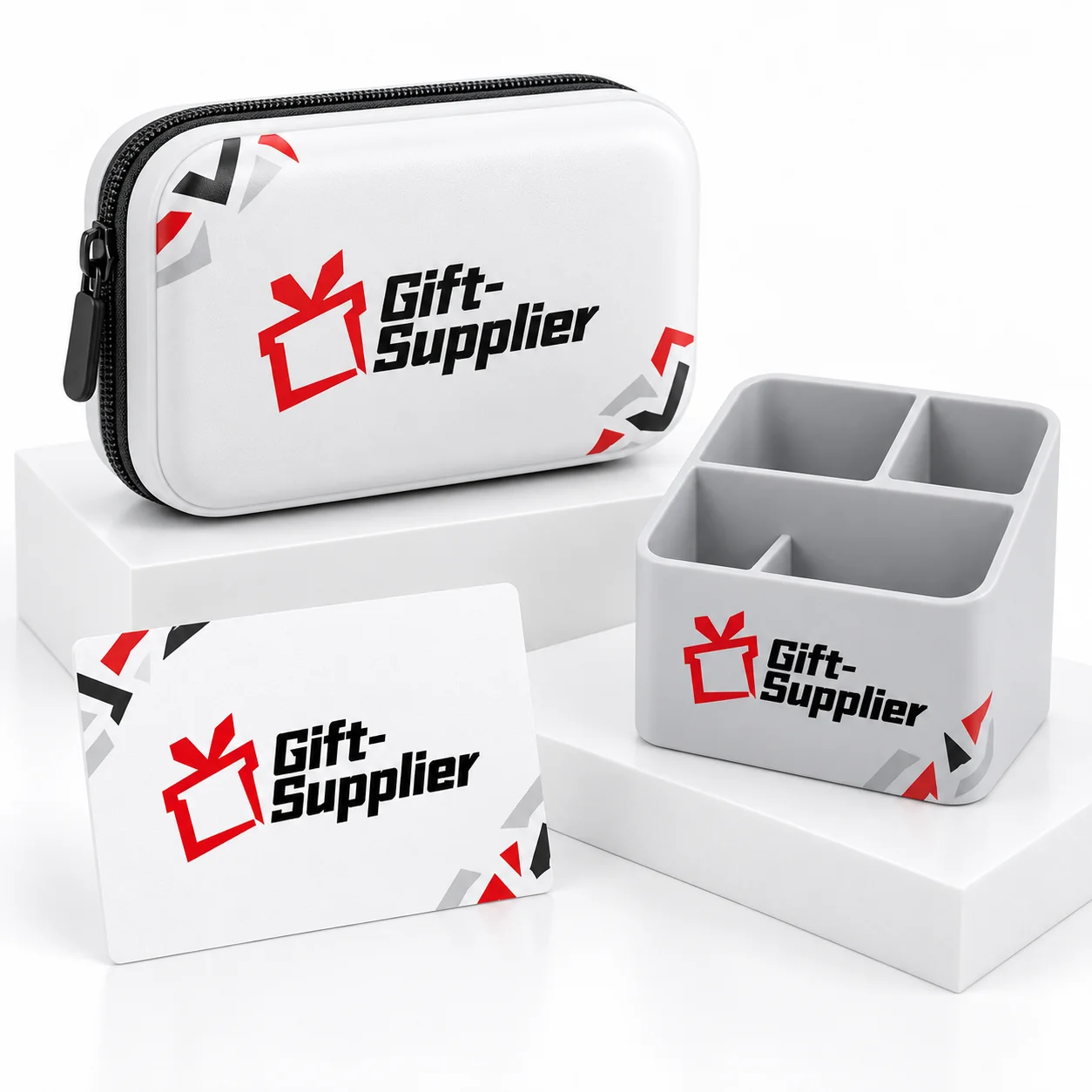
Reproduces detailed graphics, gradients and multiple colors directly on suitable flat or coated surfaces.
Suitable for: Flat product panels, plastic cases, promotional cards, inserts and packaging sleeves.
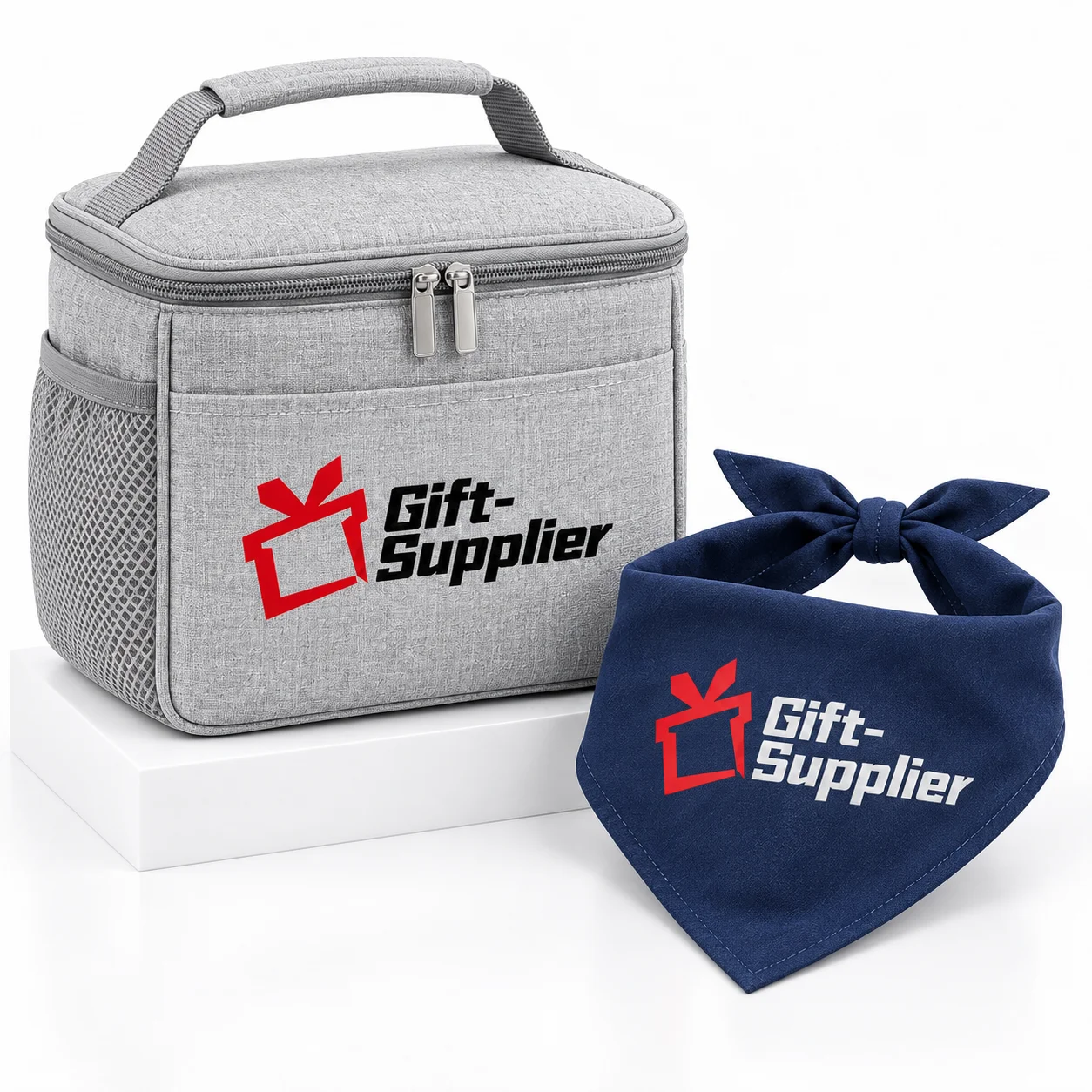
Uses controlled heat and pressure to transfer printed artwork onto compatible textile materials.
Suitable for: Lunch bags, pet bandanas, apparel, fabric cases and selected soft merchandise.
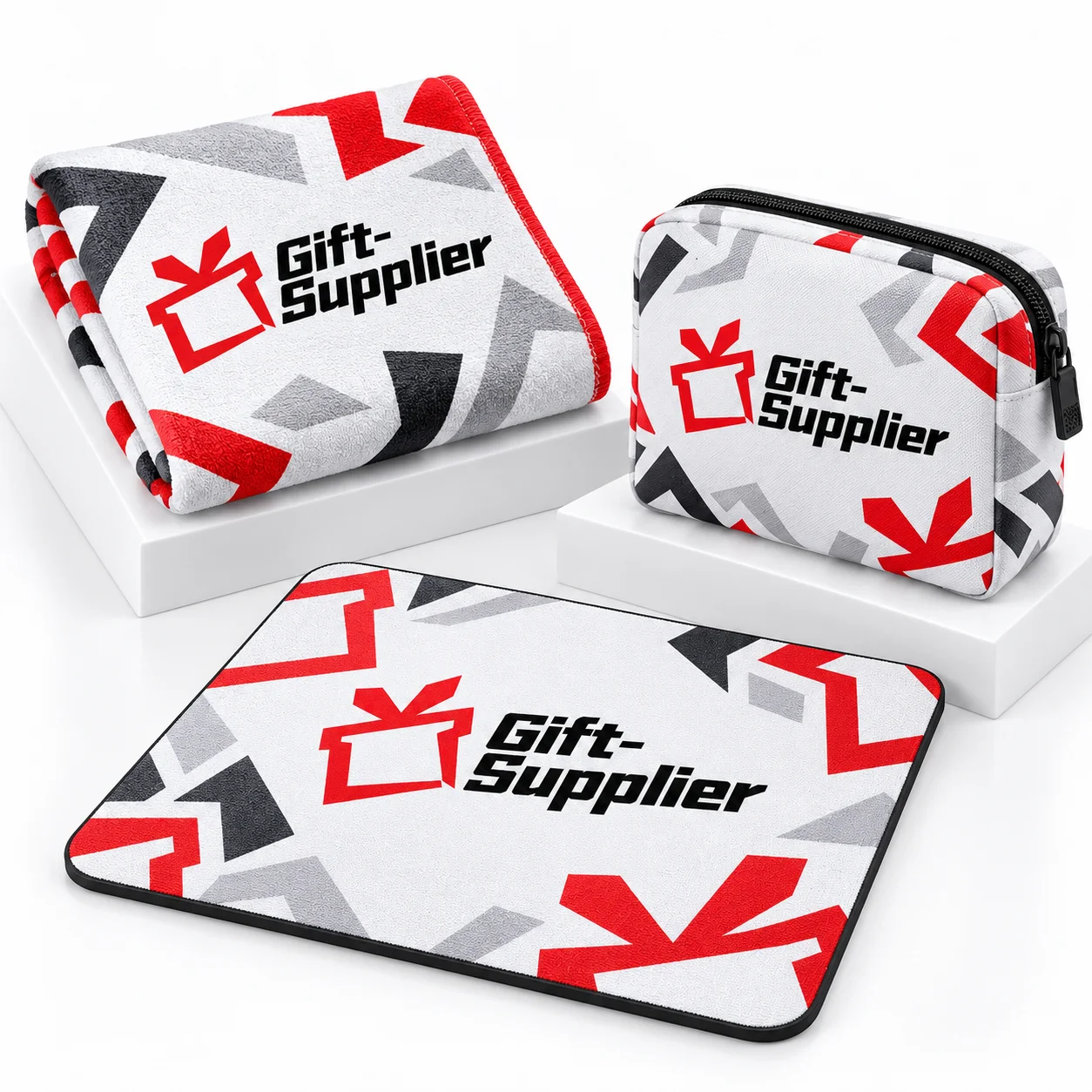
Uses heat to infuse full-color artwork into compatible coated surfaces or polyester fabrics.
Suitable for: Polyester accessories, sports towels, mouse mats, fabric panels and selected coated products.
Printing suitability note: The appropriate logo-printing method depends on the selected product material, surface treatment, shape, branding area, artwork detail, color requirements, order quantity and intended use. Final suitability is confirmed after reviewing the product and artwork requirements.
Different products require different printing methods based on their material, shape, surface coating and available branding area. Use this comparison as an initial guide; final suitability is confirmed after reviewing the selected product and artwork.
| Product or Surface | Recommended Methods | Useful For | Main Consideration |
|---|---|---|---|
| Cotton and Canvas Textiles | Screen printing or heat transfer | Bags, pouches, aprons and fabric accessories | Fabric weave, ink coverage and artwork detail |
| Polyester Fabrics | Sublimation or heat transfer | Sports towels, bandanas and fabric panels | Polyester content and base material color |
| Flat Plastic Surfaces | UV, digital or screen printing | Desk accessories, cases and flat product panels | Surface coating and ink adhesion |
| Curved Plastic Products | Pad printing | Clips, flashlights and compact accessories | Product curvature, print size and registration |
| Coated Metal Surfaces | UV, pad or screen printing | Metal accessories and selected electronic products | Coating compatibility and required durability |
| Paper and Cardboard | Digital or screen printing | Packaging sleeves, inserts and presentation cards | Finish, color reproduction and print coverage |
Selection note: Some products may support more than one printing method. The final recommendation depends on the required logo size, number of colors, artwork complexity, quantity and expected handling.
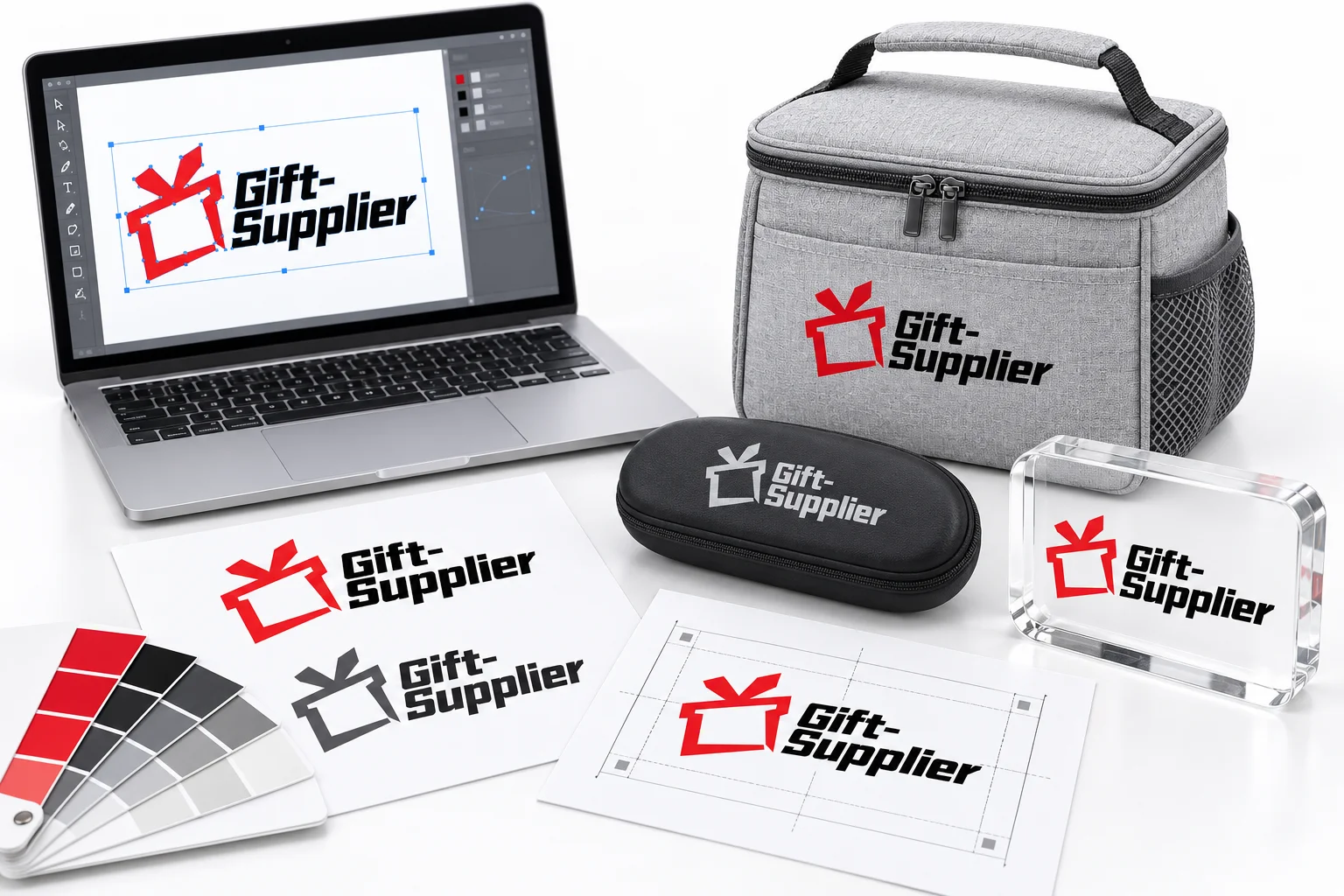
Suitable artwork helps us assess print size, color separation, fine details and the available branding area. Share the best file available, and identify any specific placement or color requirements that should be reviewed.
1. Supply Vector Artwork
Provide AI, EPS, SVG or editable PDF files where available. Vector artwork can be resized without reducing image quality.
2. Convert Fonts to Outlines
Outlined fonts help preserve the intended lettering when the artwork is opened for production preparation.
3. Identify Brand Colors
Provide Pantone references or other agreed color information when specific brand-color matching is required.
4. Confirm Logo Variations
Share full-color, single-color, reversed or simplified versions if different product colors or printing methods are being considered.
5. Check Fine Details
Very small text, thin lines, close spacing and detailed gradients may need adjustment for the selected product and method.
6. Provide Placement Guidance
Indicate the preferred logo position, orientation and approximate size, especially when the product offers several branding areas.
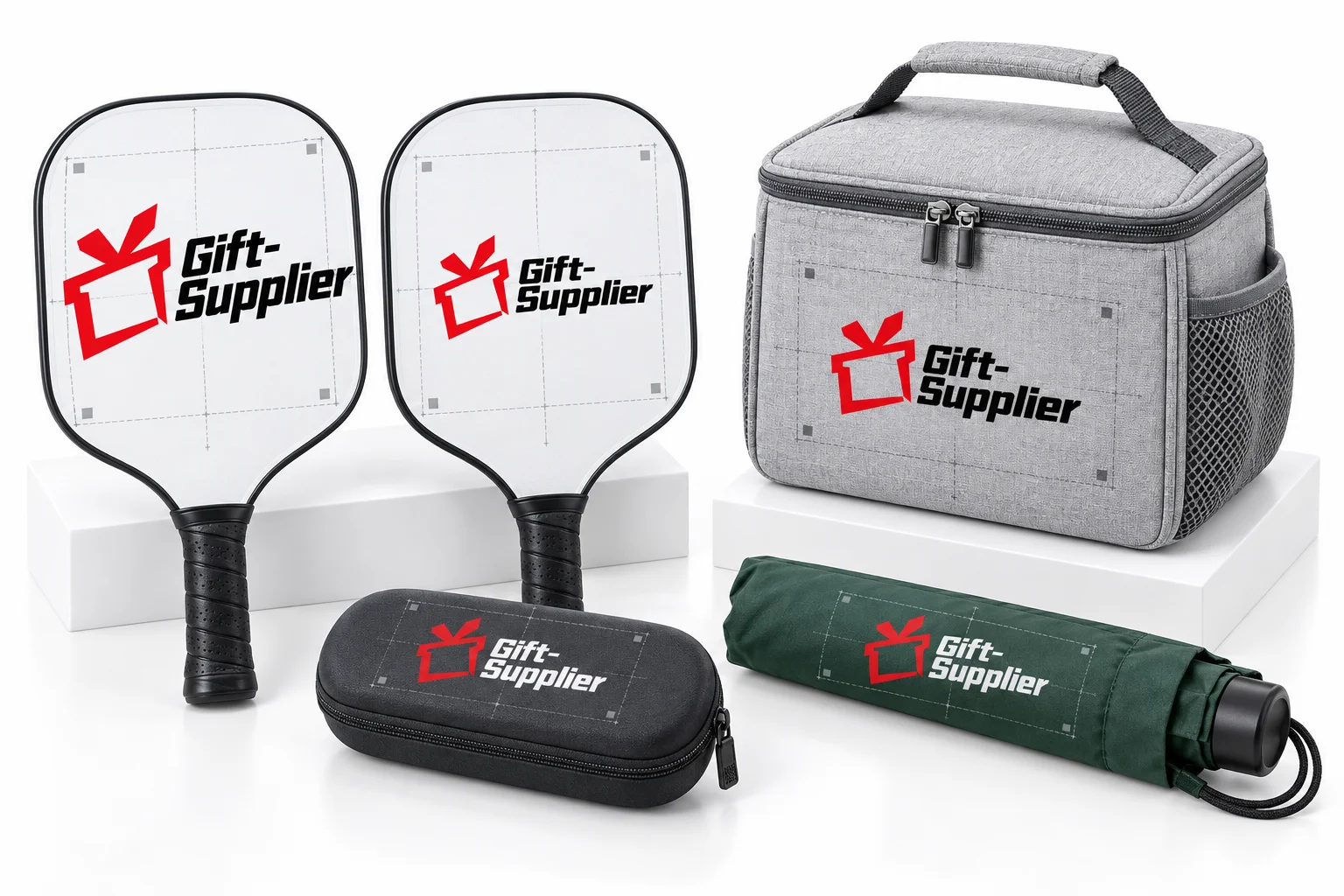
A logo must fit the available branding area while remaining clear, balanced and appropriate for the product. We review the proposed position, dimensions and orientation before preparing the final printing reference.
Confirm the maximum printable dimensions and any restricted areas created by seams, curves, fasteners, handles or moving components.
Check whether lettering, fine lines and small details will remain clear at the proposed print size.
Select a logo position that appears correctly when the product is displayed, carried, worn, opened or used.
Identify whether the product requires front, back, side or secondary printing and confirm each position separately.
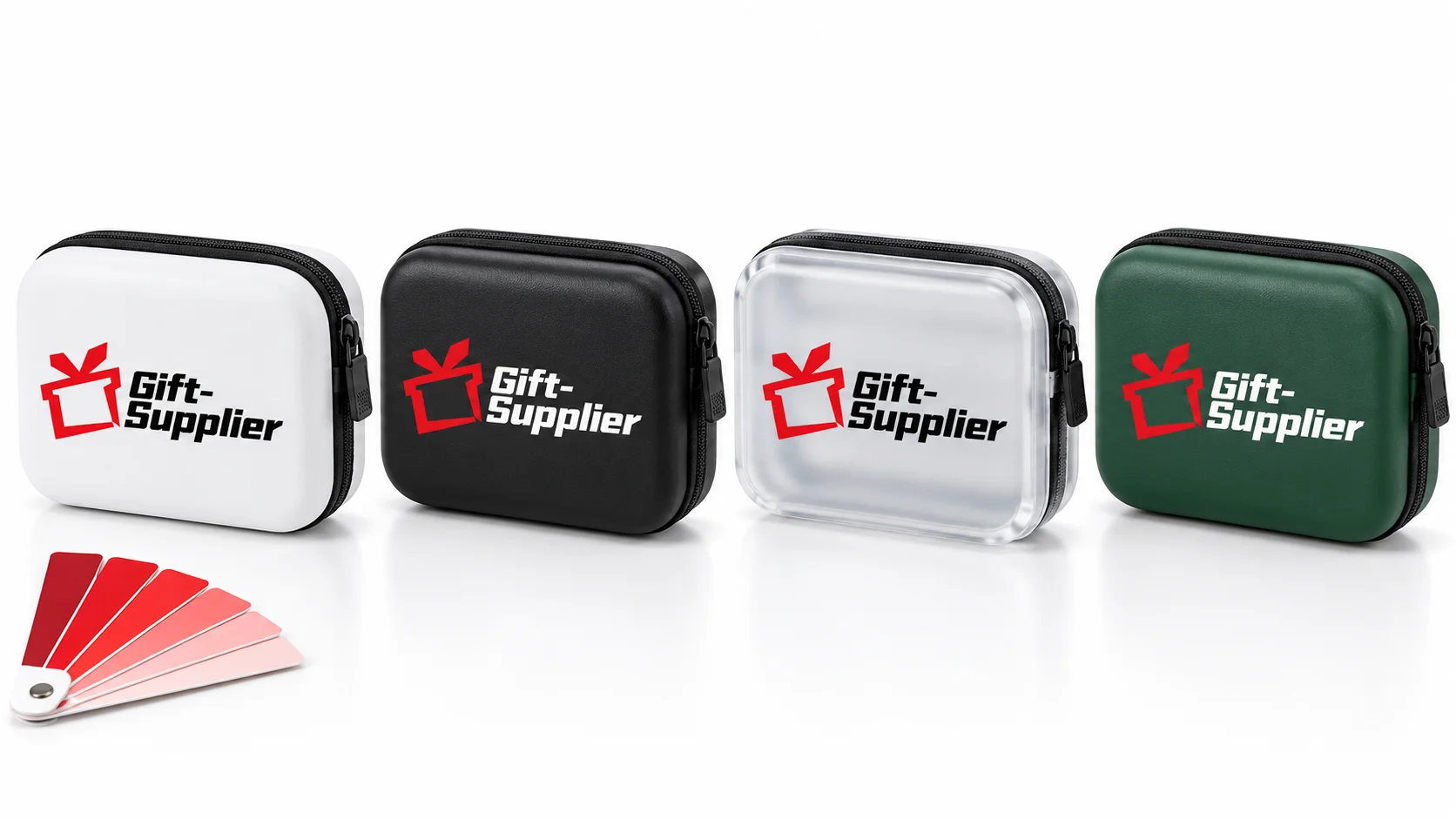
The same artwork can appear different when printed on various product colors, materials and surface finishes. Reviewing these conditions helps establish a suitable printing reference before production.
Product Base Color
Dark, bright or transparent products can influence the appearance and visibility of printed colors.
White Underbase
Some printing applications may require a white base layer to improve color strength and separation from the product surface.
Color References
Pantone references can guide color matching, but the final appearance may vary according to the ink, material, coating and printing method.
Surface Finish
Glossy, matte, textured and coated surfaces can change color appearance, print definition and the overall visual result.
Color review note: A digital screen preview should be treated as a layout reference rather than an exact guarantee of the final physical color. Where color accuracy is important, confirm the appropriate approval or sample route before production.
The approval route depends on the selected product, printing method, artwork complexity and project requirements. Each stage helps confirm the details required for production preparation.
Review the selected product, material, surface, available print area, logo files and color requirements.
Confirm a suitable method based on the product surface, artwork detail, required finish and estimated quantity.
Prepare a layout showing the proposed logo size, position, orientation and general presentation.
Review an existing print example or project-specific sample when physical confirmation has been agreed.
Record the agreed artwork, positioning, colors and applicable sample details for production preparation.
Approval note: A digital layout confirms the intended artwork position and approximate scale but does not automatically guarantee an exact physical color, texture or finished print result. Confirm whether your project requires a physical sample before production.
Find answers about printing methods, artwork, colors, placement, samples and production preparation.
The appropriate method depends on the product material, shape, surface finish, available branding area and artwork. Screen, pad, UV, digital, heat-transfer and sublimation printing suit different product types and requirements.
Vector files such as AI, EPS, SVG or editable PDF are preferred. High-resolution artwork may also be reviewed when vector files are unavailable. Fonts should be converted to outlines where possible.
Full-color artwork and gradients may be possible using UV, digital, transfer or sublimation printing on compatible products. Suitability must be confirmed for the selected material and surface.
Pantone references can guide color matching. However, the final appearance may vary according to the product color, material, surface coating, ink and printing method.
A digital layout normally shows the proposed logo size, position and orientation. The available print area and any product features that affect placement are reviewed before approval.
A physical sample may be available depending on the product, printing method, quantity, project requirements and preparation time. Confirm whether a sample is required when submitting your inquiry.
Different artwork versions may be possible, but separate setup, sampling, quantity or production requirements can apply. Share all artwork variations for review before quotation.
Durability depends on the printing method, product material, surface preparation and intended use. Products exposed to frequent handling, washing or outdoor conditions should be reviewed accordingly.
Share your selected product, logo artwork, quantity, preferred print position and delivery requirements. We can review suitable printing methods and advise on the next preparation step.
Share your basic product requirements, and our team will review your enquiry and contact you to discuss the next steps.
Have more project details? Complete our full quotation form.