Product Form and Shape Complexity
Distinctive shapes, moving parts, unusual proportions or new housings may require additional structural development, tooling or prototype review.
Custom Promotional Gifts • OEM/ODM Manufacturing • Worldwide Delivery
Turn a sketch, reference product or early idea into a clearer promotional product direction built around your intended use, audience, function, brand requirements and commercial project needs.
We help review product form, materials, dimensions, color direction, branding, packaging and practical development requirements so you can decide whether to adapt an existing product, modify a product structure or develop a more fully custom solution.
Product concepts can begin with a sketch, reference image, existing sample, written brief or a combination of these materials.
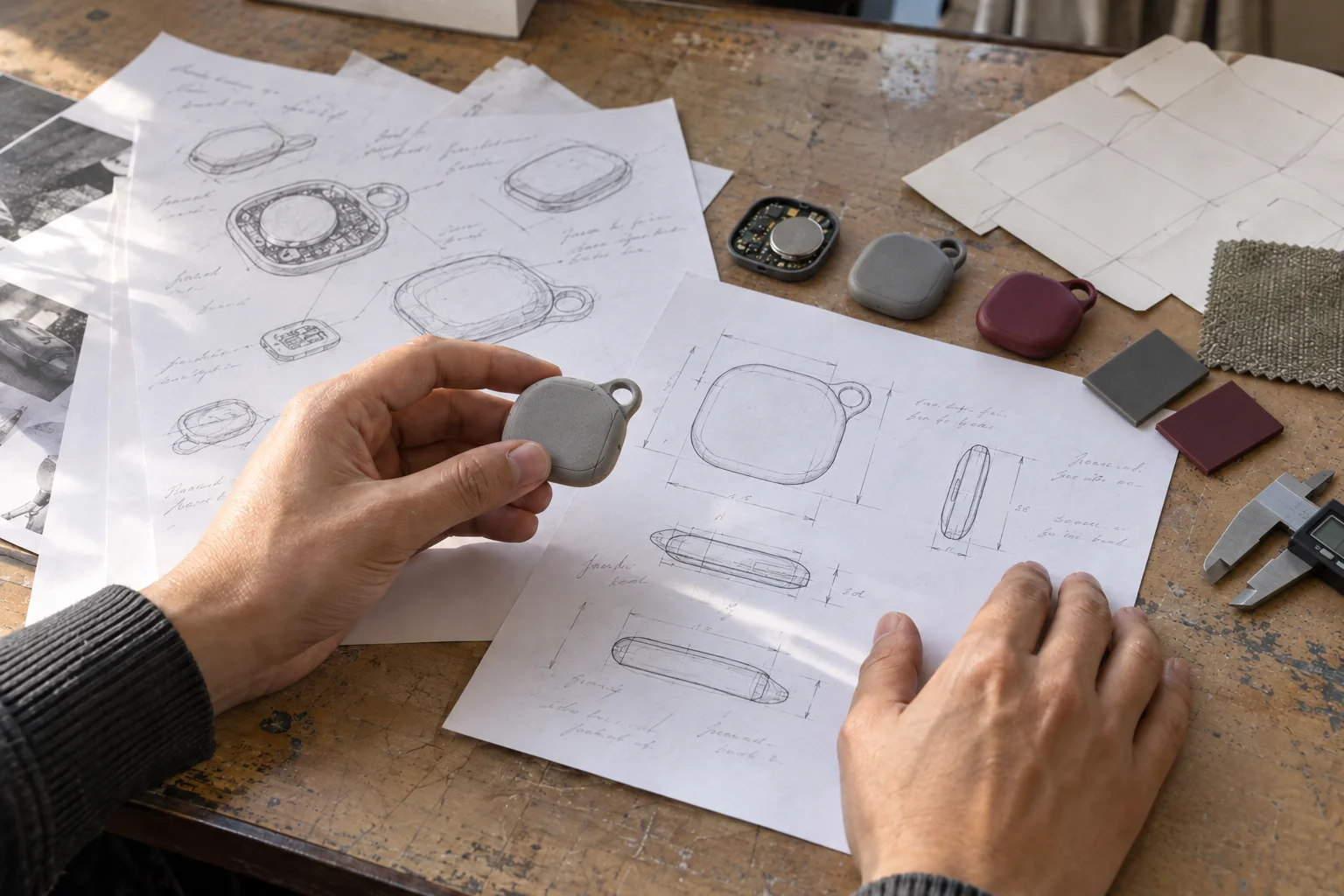
The appropriate development route depends on how much the product must change, the available reference materials, functional requirements, quantity, target budget and preparation time.
| Design Route | What May Be Changed | Suitable Starting Point | Key Review Requirements |
|---|---|---|---|
| 01 Adapt an Existing Product | Product colour, branding, accessories, surface finish and packaging. | An existing catalogue product that already meets the main functional requirements. | Product availability, customization compatibility, branding area and project quantity. |
| 02 Modify a Product Structure | Selected dimensions, casing details, components, attachments or material combinations. | An existing product that requires functional or structural adjustments. | Technical feasibility, tooling requirements, prototype review and project quantity. |
| 03 Develop a Fully Custom Product | Original shape, construction, functionality, materials, branding and packaging. | A sketch, reference image, concept description or physical sample. | Design development, tooling, testing, approvals, target budget and production preparation. |
Design route note: A custom appearance does not always require completely new product development. Adapting an appropriate existing product may provide a more practical route when its function and construction already support the project requirements.
A custom promotional product does not always need to be developed from zero. The most practical route depends on how much the product needs to change, which requirements are fixed and how the design fits the project quantity, budget and timing.
Starting point:
Start with an existing product that already meets the main functional requirements, then adapt selected visual or presentation elements.
What may change:
Product color, branding, accessories, surface finish and packaging.
Best fit:
Usually the most practical route when the core product function and structure already work for the project.
Buyer trade-off:
Less structural freedom because the basic product remains largely standard.
Starting point:
Start with an existing product and change selected structural or functional details.
What may change:
Selected dimensions, casing details, components, attachments, material combinations or packaging integration.
Best fit:
Useful when an existing product is close to the requirement but needs meaningful adjustment.
Buyer trade-off:
May introduce tooling, prototype, component or quantity requirements.
Starting point:
Develop a more original product direction from a sketch, reference image, concept description or physical sample.
What may change:
Shape, construction, function, materials, branding and packaging.
Best fit:
Useful when the product needs to be substantially different from existing formats.
Buyer trade-off:
Provides the greatest design freedom, but development complexity, tooling, MOQ, budget and timing become more important.
Supporting note:A custom appearance does not always require completely new product development. If an existing product already supports the required function and basic construction, adapting that product may provide a more practical route.
Design decisions affect more than appearance. They can also change tooling, material minimums, component requirements, sample development, packaging, project cost and the time required before production.
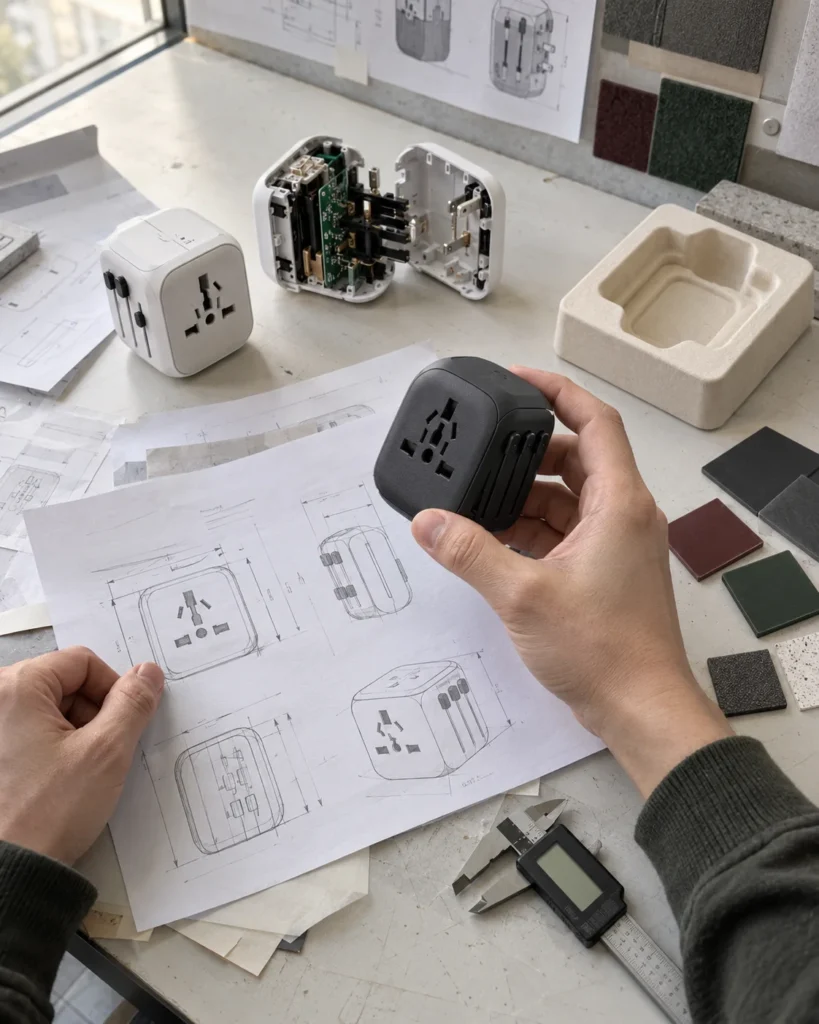
Distinctive shapes, moving parts, unusual proportions or new housings may require additional structural development, tooling or prototype review.
New functions, connectors, controls, attachments or electronic components can affect feasibility, sourcing, tooling, sample development and technical review.
Plastics, silicone, PVC, metal, textiles, wood, selected recycled-content materials and combined constructions can affect product feel, structure, branding methods and commercial practicality.
Custom-matched material colors, translucent effects, metallic finishes, soft-touch surfaces or other special finishes can introduce separate material, process or quantity requirements.
Logo size, placement, molded details, embroidery, engraving, print coverage and multi-method branding can influence product surfaces, tooling and sample development.
Fitted inserts, presentation boxes, backing cards or coordinated gift sets should be reviewed alongside product dimensions so the product and packaging work together.
The design direction should be commercially realistic for the estimated quantity and target budget or unit-cost direction.
A fixed event or launch date can affect which design, tooling, sampling and development routes remain practical.
A prototype is most useful when the main design questions have already been narrowed. Before prototype development begins, the buyer and development team should understand what the prototype is expected to confirm.
What the product is for, who will use or receive it, and what the product needs to achieve.
The functions, interfaces, attachments, dimensions or other features that cannot be removed or substituted.
Where alternative colors, materials, components, surface finishes or packaging formats can be considered.
Approximate dimensions or dimensional limits, especially where the product must fit an accessory, package or specific use.
Preferred material feel, construction and finish, together with any known limitations or required attributes.
Logo placement, approximate size, artwork detail, color references and the intended branding effect.
Estimated order quantity and target budget or unit-cost direction so the concept can be reviewed commercially.
Packaging expectations, destination and required arrival date so the design route can be assessed against the overall project schedule.
This page focuses on defining the product direction before detailed OEM/ODM development. The exact path depends on how complete the original idea is and how much technical development is required.
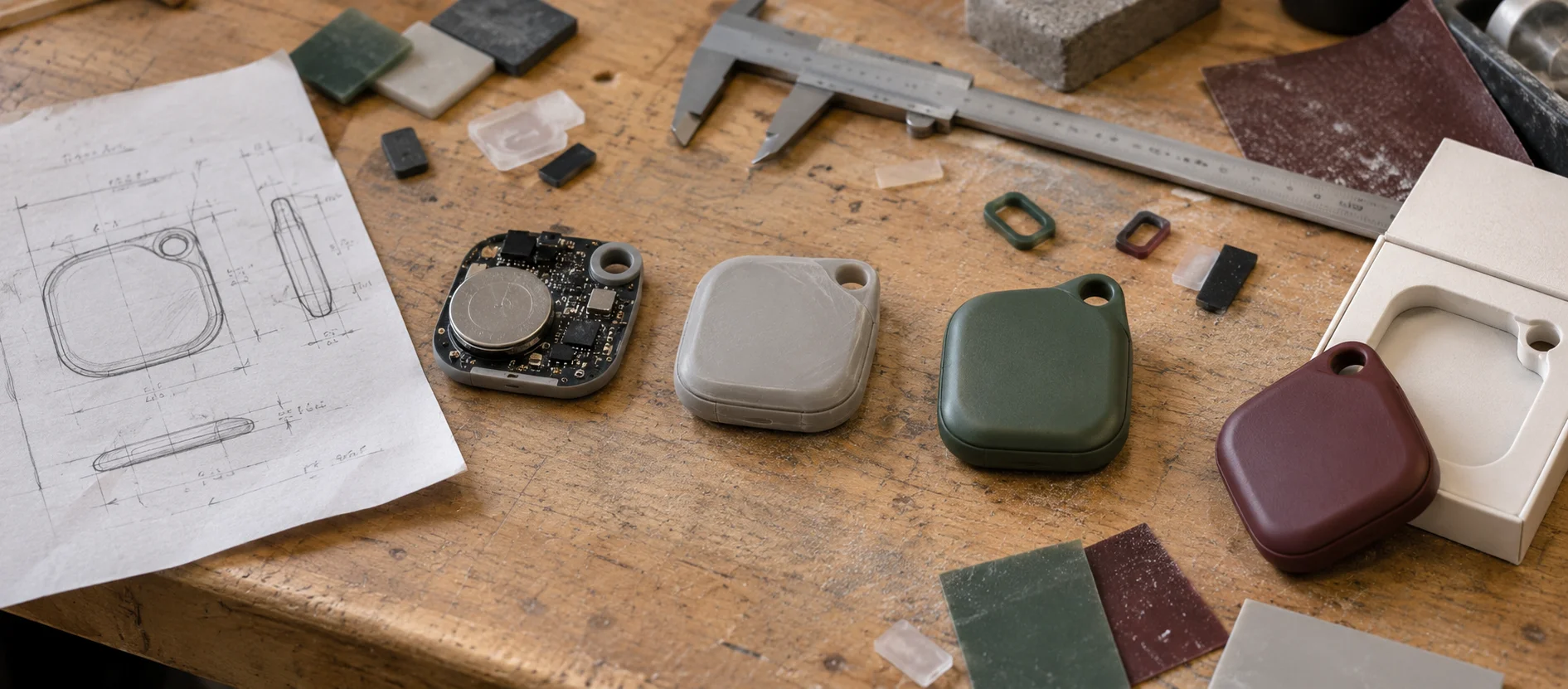
Define the intended use, audience, quantity, target budget, required functions, branding, packaging, destination and required arrival date.
Decide whether the project is best approached by adapting an existing product, modifying a product structure or developing a more fully custom solution.
Review the proposed form, functions, materials, components, quantity, budget, tooling implications and timing to identify practical constraints before detailed development.
Refine the product form, dimensions, material direction, components, color direction, branding areas and packaging relationship into a clearer development reference.
Once the design direction is sufficiently defined, the project can move into detailed OEM/ODM development, prototyping, sampling or production preparation as applicable.
The design review should reflect the product category rather than applying the same checklist to every project.
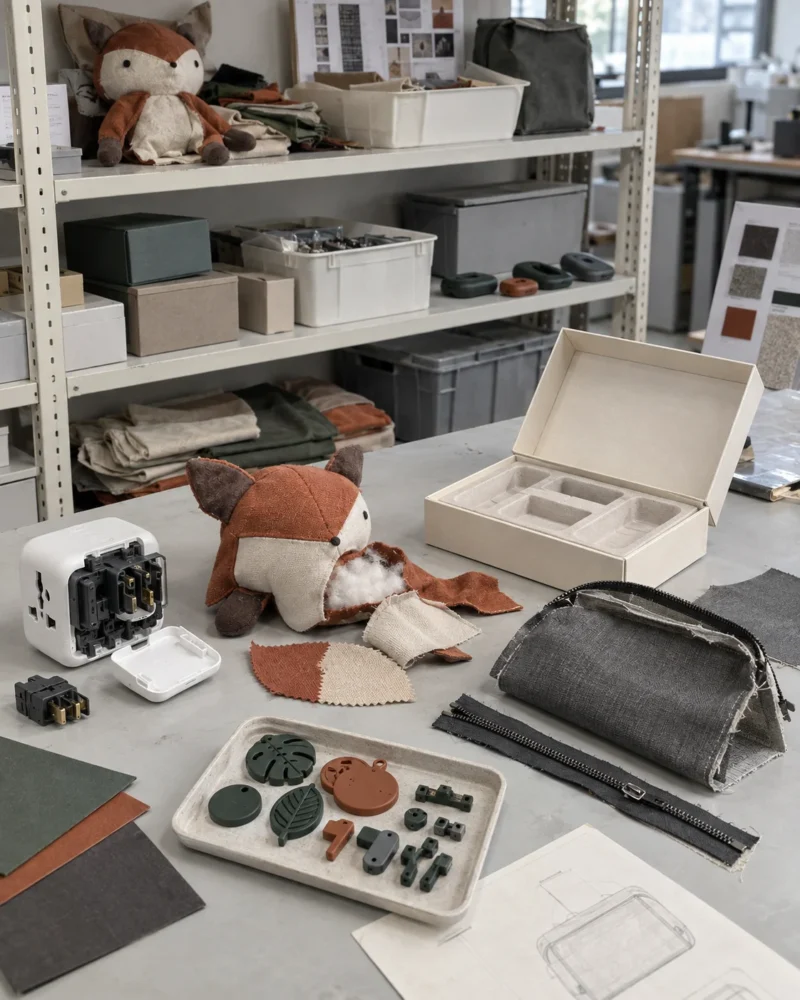
Review product function, casing, connectors, controls, component space, branding area, charging or compatibility requirements where applicable, packaging and destination-specific considerations.
Review character proportions, fabric direction, construction, embroidery or printed details, labels, attachments, stuffing and packaging presentation.
Review shape, thickness, flexibility, molded details, color separation, attachments, tactile function and available branding areas.
Review dimensions, fabric construction, handles, zippers, internal compartments, seams, branding area and folding or packing requirements.
Review product dimensions, presentation objective, fitted inserts, kit contents, artwork, assembly and shipment preparation together with the product design.
You do not need a complete technical specification before starting. Share the information you already have, and identify which requirements are fixed and where alternatives are acceptable.
1. Product Idea or Reference
A sketch, reference image, existing sample, product link or written description of the product you want to develop.
2. Intended Use and Audience
Where the product will be used, who should receive it and the main project objective.
3. Required Functions and Specifications
Known dimensions, functions, components, attachments, performance requirements or compatibility needs.
4. Must-Have Requirements
Features, dimensions, functions, visual elements or presentation requirements that cannot change.
5. Flexible Requirements
Areas where alternative materials, colors, components, product formats or packaging directions can be considered.
6. Branding and Appearance
Artwork, brand color references, preferred logo placement, surface-finish direction and any brand guidelines.
7. Quantity and Target Budget
Estimated quantity and intended budget range or target unit-cost direction where available.
8. Packaging and Delivery
Preferred packaging format, destination and required arrival date.
9. Existing Design Files
Drawings, CAD files, sketches, reference samples or other development information where available.
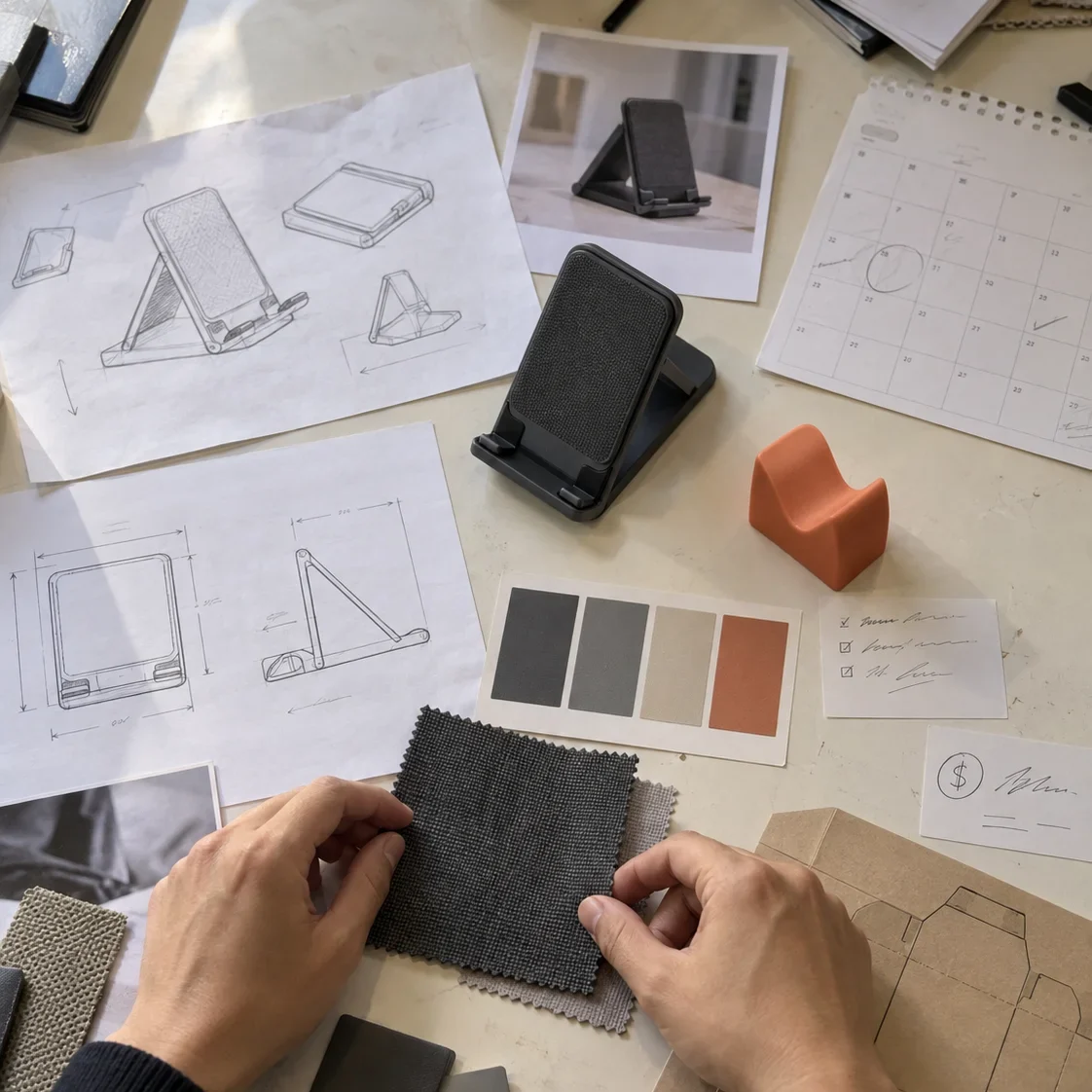
Design rights note: If a reference product, character, artwork or design belongs to another party, the buyer should confirm that they have the appropriate rights or authorization for the intended development.
Before the concept moves into detailed prototyping or production developmentnth, the applicable design decisions should be recorded clearly so later climate stages are working from the same reference.
Digital layouts can help review product direction, proportions and branding placement, but they do not automatically confirm exact physical color, material texture, function or final production finish. These details should be confirmed through the appropriate sample or development reference where applicable.
Confirm whether the project is adapting an existing product, modifying a structure or proceeding with a fully custom direction.
Confirm the agreed shape, approximate dimensions, components, attachment points and construction direction.
Review the selected material direction, textures, finishes and relevant material limitations.
Review the functions included in the agreed design scope, relevant user interaction, components and suitability for the intended use.
Confirm the available color references, branding method, placement, approximate size, orientation and important artwork details.
Review how the product dimensions and presentation direction fit the selected carton, sleeve, insert or gift-set format.
Recheck quantity, target budget, tooling implications and required arrival date before committing to the next development stage.
Identify the drawing, specification, digital layout, concept model, prototype or other agreed reference that defines the current product direction.
Review common questions about product concepts, reference files, prototypes, materials, tooling and production preparation.
A sketch, reference image, existing sample sample sample orthe sample orexisting sample or written brief brief canou’re able to provide can be enough to begin an initial reviewinitial review. It is also helpful helpful to share the intended use, audience, estimated quantity, target budget, required functions, branding branding, packaging and packaging and required arrival date.
If an existing product already meets the required required function and general structure, adapting its color, branding, accessories or packaging may provide a more practical route. Fully custom development is more appropriate when the shape, construction, function or materials need to change substantially.
Selected existing products may be modified where the structure, tooling, materials, components and supplier capabilities allow it. The practical route depends on the level of change, quantity, budget and timing.
No. Some projects can use an existing product or available tooling, while others may require a new mold, die, fixture or structural development. Tooling requirements should be reviewed after the design direction is defined.
New tooling, custom-matched materials or colors, specialized components, complex functions, unusual construction, multi-method branding and fully custom packaging can introduce additional minimums or development costs.
The appropriate approval route depends on the product and level of development. A project may use an existing sample, concept model, functional prototype, customized sample, packaging sample or another agreed reference before production preparation.
No. Digital layouts are useful for reviewing general product direction, proportions and artwork placement, but physical color, material texture and finish should be reviewed through the appropriate physical reference where these details are important.
The timeline can be affected by concept complexity, tooling, material or component sourcing, prototype revisions, branding, packaging, approval requirements, quantity and the required arrival date.
The prototype should have a clear purpose. Before requesting one, define the main product direction, must-have functions, target dimensions, material direction, branding, quantity, budget and the specific questions the prototype needs to answer.
Share your product concept or reference, intended use, required functions, estimated quantity, target budget, must-have requirements, areas where alternatives are acceptable, branding needs, packaging requirements and required arrival date. We can review the available information and help identify a practical design and development direction.
Share your basic product requirements, and our team will review your enquiry and contact you to discuss the next steps.
Have more project details? Complete our full quotation form.